BY A.E. Santana
James Comtois has long been a fan of horror and is a skilled and adventurous storyteller, writing dramatic, thoughtful, and frightening onstage scenes. As the cofounder and co-artistic director of New York–based theater company Nosedive Productions, where he also served as resident playwright, Comtois was involved with creating original and fantastically bizarre plays. He has produced more than twenty plays, including the award-winning titles The Awaited Visit and Mayonnaise Sandwiches. He is an accomplished reporter and reviewer.
Just in time for Halloween, The Coachella Review talks with Comtois on horror, crafting scripts in this genre, and his experience writing the acclaimed vampire play, The Little One.
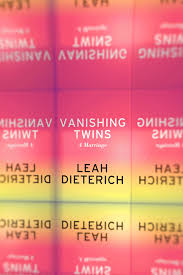

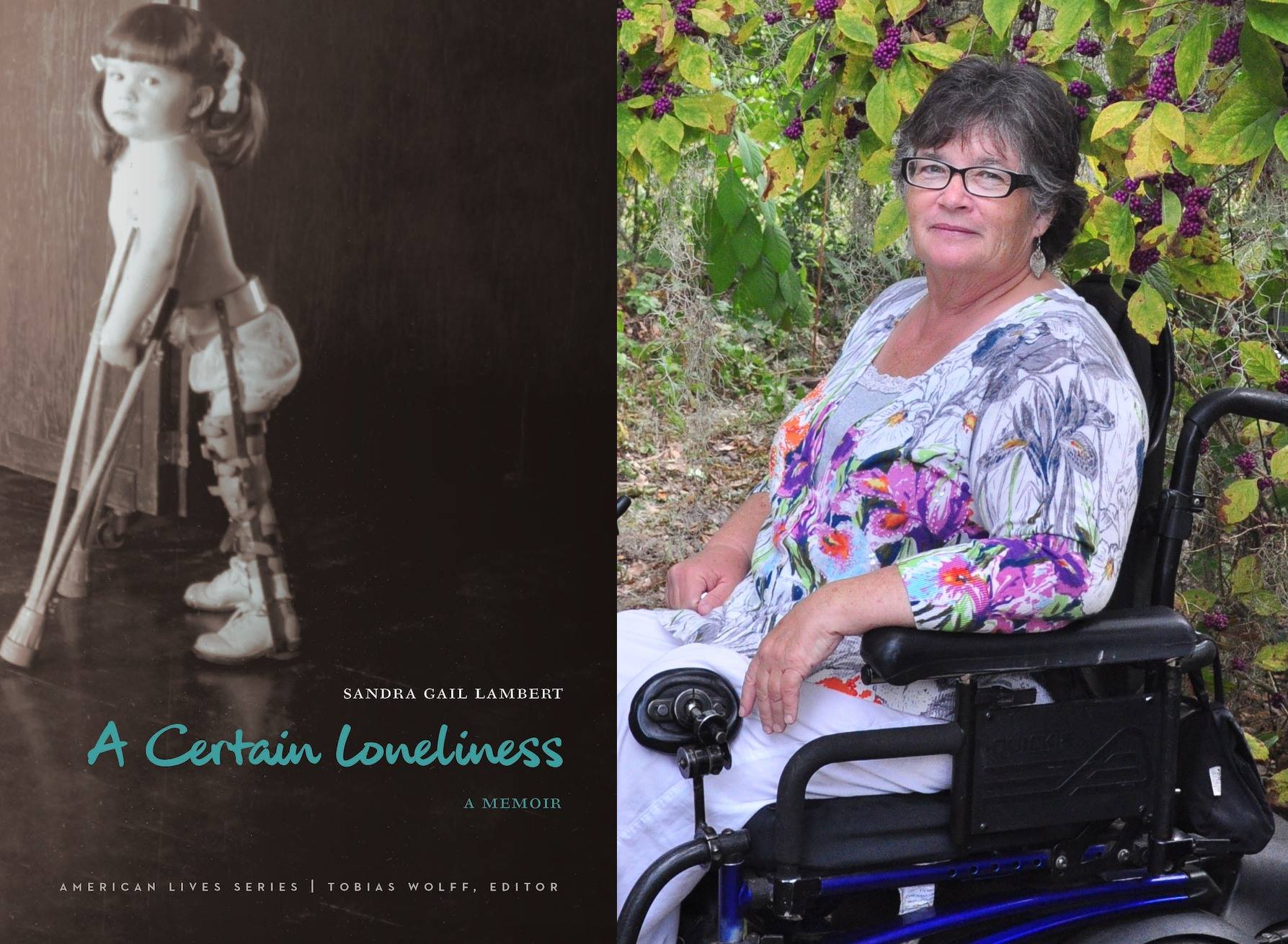
 In her touching memoir of life as a disabled lesbian, Sandra Gail Lambert probes the issue of what quality of life really means. Throughout the series of short essays, Lambert takes the reader on a journey from the author’s childhood, where we learn Lambert is stricken with polio, to an adult struggling to maintain her independence in the face of the disease that wracks her body with pain and limitations. In equal parts, the memoir is a story of self-love and the search for Lambert’s one true love—a life partner.