
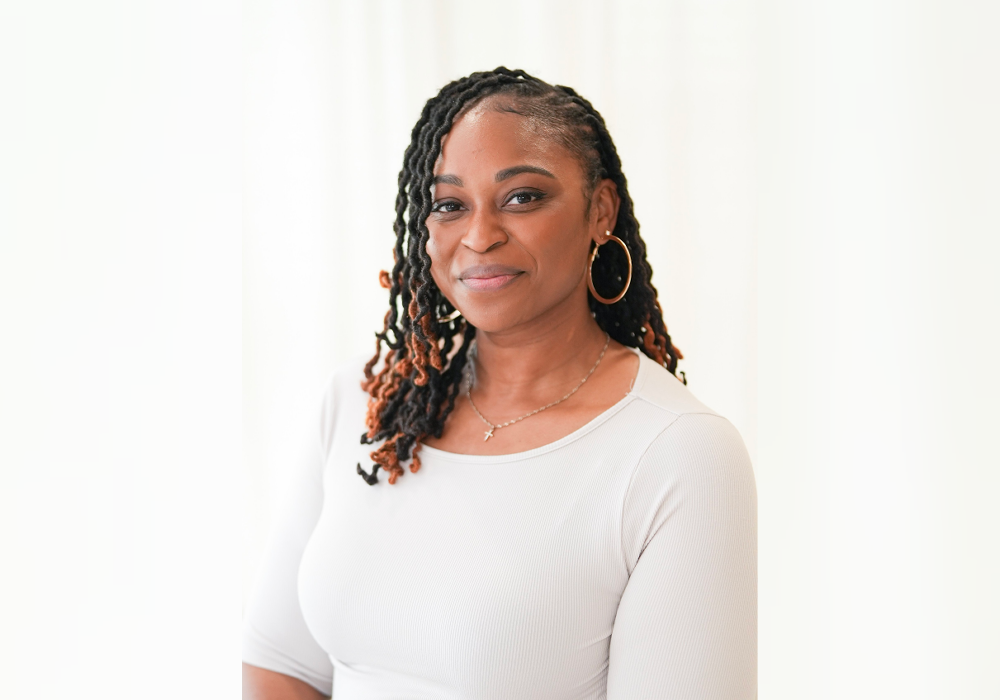
By Dave Oei
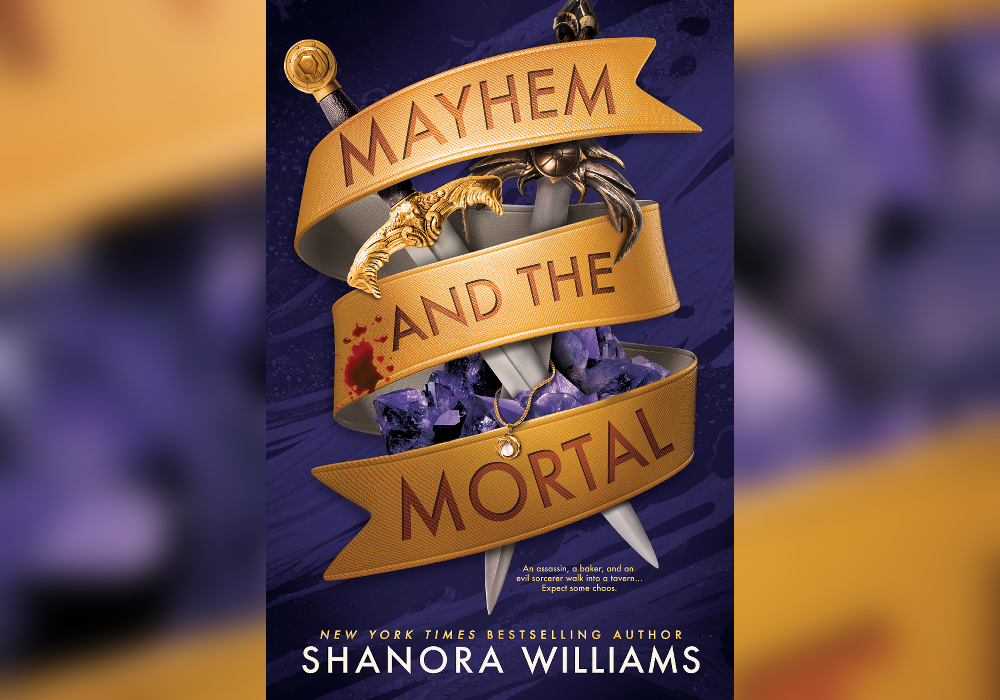
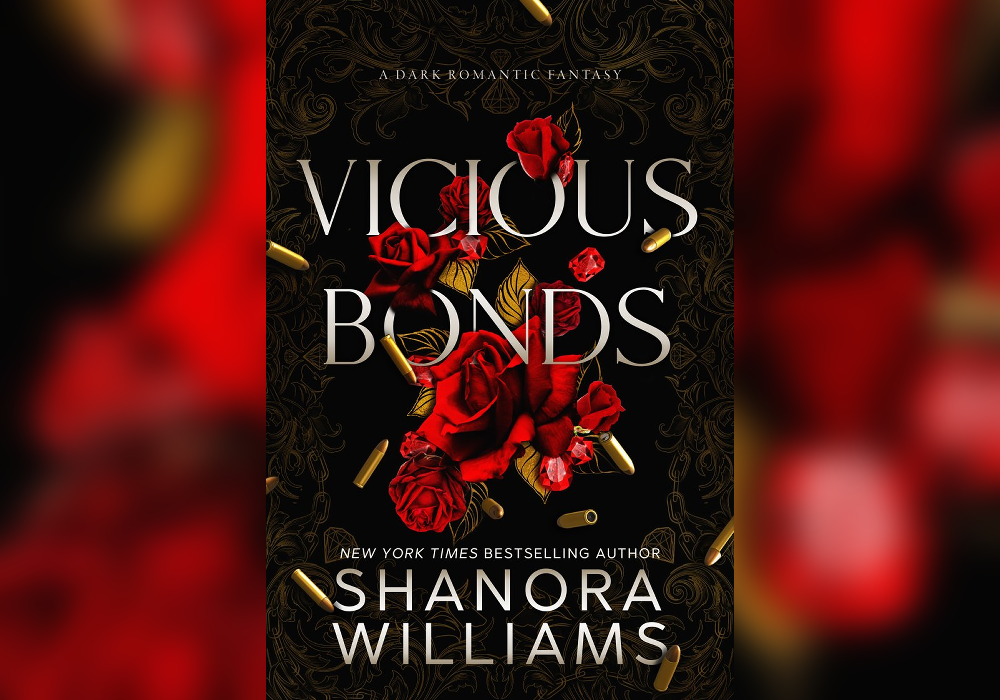
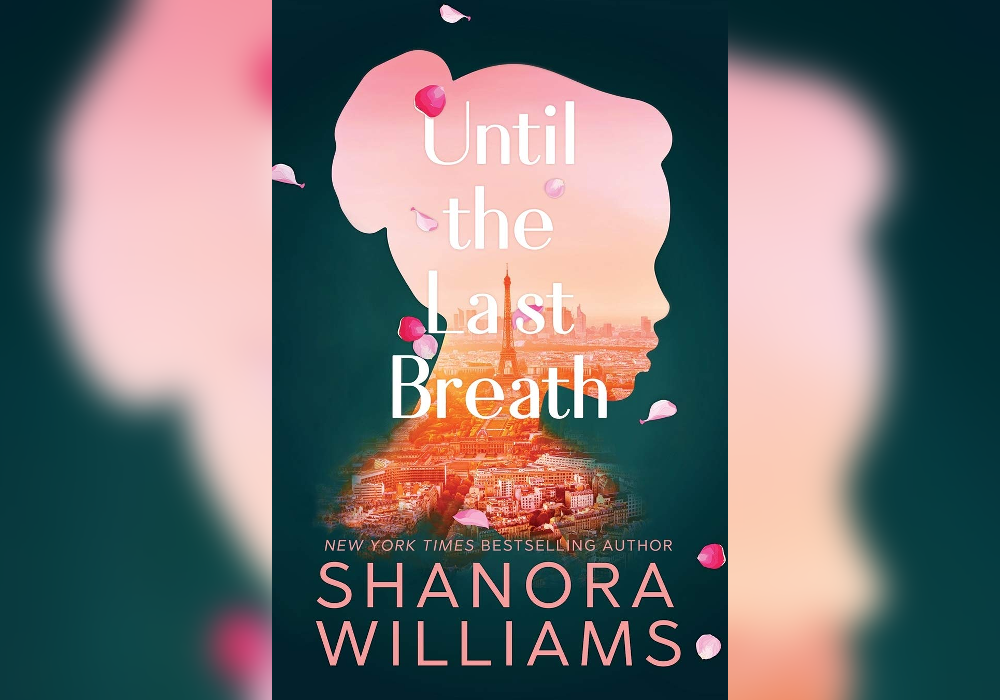
Having published over three dozen books, the first at eighteen, Shanora Williams is no stranger to writing across different genres. The New York Times bestselling author has penned paranormal and contemporary romances, thrillers, dark fantasy, and, as with the recently released Mayhem and the Mortal, romantasy. Red Tower Books, known for helping define the genre with the publication of Rebecca Yarros’s Fourth Wing, has expanded its catalog beyond stories incorporating dragons. Williams’s book joins a diverse author pool including Mai Coland (Five Broken Blades) and Rachel Howzell Hall (The Last One).
In Mayhem, when Analla is cursed by a mad sorcerer and given thirty days to live, it’s up to her sister Zaira to save her. Except Zaira’s a baker and a volunteer at the local refugee center—she’s not a fighter and she can’t cast spells. But Zaira’s filled with tenacity, enough to hire the feared but untrustworthy sorcerer-assassin, Thane. The book follows Zaira and Thane on their journey to find a Prosperity Stone, the only magic powerful enough to break the curse. What transpires is a harrowing tale of romance, found family, and the powers of magic and forgiveness.
The Coachella Review spoke with Williams about her lengthy publishing career, the transition between genres, and the jump to Red Tower, as well as the challenge of juggling writing and family life.
The Coachella Review: Shanora, congratulations on your launch of Mayhem and the Mortal. It looks like it’s doing well.
Shanora Williams: Thank you. It hit the USA Today [bestseller] list.
TCR: This wasn’t your first time on the list, though.
SW: It’s not, actually. My first was in 2013. It’s been a while.
TCR: You’ve been writing for a long time.
SW: I’ve been publishing since I was 18. I’m 33 now, for reference. So yeah, a while.
TCR: How does this launch feel compared to previous ones?
SW: I was more anxious with its release. Maybe because it was launched on a broader scale? Like, I saw it in the airport. That’s a huge deal for me or any author. I was wowed but also anxious because I didn’t know if people would like it; it’s a little different from the general romantasy. It’s not Fourth Wing, of course—it’s not dragons—so I wasn’t sure how people would take it, but it seems like people have been having fun with it.
TCR: Going back a second: You first got published at 18. Tell me about your writing journey. How did it all start? How did you know writing was what you wanted to do?
SW: It was in the seventh grade. We had to make up a story. The teacher asked after, “Did you write this?” I was like, “Yeah.” I guess she didn’t believe I could write. But then she said I had a gift. And it’s crazy how much impact teachers have because I still remember those words. That’s when I decided to try and get serious with it. I continued writing; first poems, then short stories.
When I was 18, I met an author in the library during her book signing. I asked her questions about writing and publishing, and she said I should check out KDP—
TCR: Kindle Direct Publishing.
SW: Yes. She said, “It’s where you can upload your own book.” So, I researched and then self-published my first book. Of course, it flopped because I didn’t know anything about marketing. But it was a learning experience. I eventually met people online in the book community, including other authors. And I kept writing and worked to strengthen my voice as a writer.
It’s kind of tricky when you’re young because you’re still a sponge. It was a hard for me to lock into my voice and not try to mimic. I think I’ve got the hang of it now. Also, back then I tried writing three or four books a year, which is crazy to think about now.
TCR: That is a lot.
SW: Yeah, but after my first traditional deal happened in 2020 with The Perfect Ruin, I slowed down, which worked out because by then I had a family. From there I went to Red Tower, which was a huge leap. They’re different, but they’re great. Their marketing is great: publicity and cover designs and everything. It has taken a while to digest it all. And that’s my journey in a nutshell.
TCR: So, it all started with self-publishing on Amazon with at least a dozen books. And you began with romance?
SW: Paranormal and romantic suspense. Suspense wasn’t always my thing. I love it now, but back then I didn’t know there wasn’t a very big audience for it. I learned contemporary romances were what people wanted, and I wrote one. Then that first contemporary romance hit the New York Times [bestsellers list], which was crazy. And—
TCR: Also self-published.
SW: And I was 19, and yes, self-published.
TCR: Wow.
SW: I was really shocked. I think I got really lucky with that one.
TCR: Now that you mentioned it, I definitely see elements of the paranormal in Mayhem. Obviously, the romance, too. But before Mayhem, you wrote another romantasy—The Tether Trilogy.
SW: I love that trilogy. It’s way darker than Mayhem and the Mortal, though.
TCR: I see. Mayhem has a fair share of fights and violence but isn’t very dark. I wonder, then: How do you discover the shape of your stories? For Mayhem, was it something you conceived of yourself, or was it created in collaboration with Red Tower?
SW: I began knowing I wanted to have an assassin. When I talked to the Red Tower editor, Liz Pelletier, she was all for it. I pitched it as “John Wick, but with swords.” That’s how Thane was born. “Do it,” she said, so I ran with that.
Then I had to figure out the story, how it revolved around him, and what the world was like. I knew he [would need] someone who was spunky or quirky to balance his grumpy and broody side. That was the fun part—the romance—and that’s how I came up with Zaira.
But yeah, I would say it was collaborative with the editor. We had a lot of calls. She didn’t want anything too serious. She wanted romantasy, but something different. I was thinking, what could be different? I have seen assassins, but I haven’t seen them in a protective mode, if that makes sense. They’re usually just the enemy.
TCR: So, your agent contacted Red Tower?
SW: She said that they knew I had self-published a fantasy trilogy. They were looking for books by authors of color, and my agent and her president—they work closely with Red Tower—mentioned me as part of their arsenal. But I had told them beforehand I didn’t want to do any more fantasy. So, when they approached me about [that], I said no. Months passed, and apparently Liz really wanted to work with me. I consider myself fortunate because I know Liz is a very tough woman. She’s very picky and particular about what she wants. Finally, I was like, “I’ll give it a try.”
Turns out, I actually had fun with this Mayhem! But we did give her the pitch and the first fifty pages, and she was in love. She wanted it. And she increased her advance because I think she knew I was already wary. It also showed me how excited she was. I said okay. From there, it’s been great.
TCR: I didn’t know you leaned against doing more fantasy.
SW: Yeah. It’s a lot of work. The world-building part is a lot to keep up with, not to mention the characters. Fantasies are a lot for me, mentally, especially compared to thrillers. I enjoy writing thrillers and they’re quicker for me to write. But fantasies drain my brain, creatively. After the trilogy, I couldn’t write anything for months and I didn’t want to go through that again. Fortunately, I didn’t burn out with Mayhem.
TCR: Mayhem does include a very detailed mythology, though. The timeline spans from the beginning of time to the present. It’s not all info-dumped, but spread throughout until you get all the bits and pieces, mainly through the various encounters with the characters. I’m wondering: What comes first in the creation process, the characters or the worldbuilding? How do you incorporate the two so it’s seamless?
SW: I don’t know. [Laughs.] I usually start with the characters. They come as little voices in my head, little whispers, and I’m like, Okay, who matches this character? What are they saying? Ooh, that was pretty ruthless of them… But I like to wing it, too. I’m not even going to lie. I’m more, Okay, let’s see where this goes. If it makes sense, it works. If it doesn’t, I take it out.
I knew I wanted beasts, the creatures in the book. I knew for sure that I wanted a minotaur. A hybrid. I love the concept. One who’s female and super strong and just powerful, just fierce, a great fighter, warrior type. But I also wanted her to have a weakness: her brother. That was fun to do, but in order to have that minotaur, I needed to have other beasts and creatures. A lot of it came with the story, even down to the world-building. Some of this world-building came in the first draft, but a lot came after. The first draft is what I like to call, “the bones.”
TCR: How long does it usually take for you to write?
SW: First draft, usually five to six months. I try not to go back and read and edit because that slows me down. Six months might be my maximum and that’s if I don’t get myself stuck. My revisions take way longer.
TCR: So this book began a while ago.
SW: I started Mayhem at the top of 2024. We finalized edits November 2025.
TCR: It sounds like you tend to pants.
SW: I’m definitely a pantser. I don’t like to plot; otherwise, I’m spoiling the story for myself. I like to be surprised by the characters in the moment.
TCR: So, a lot of the “work” happens during the revision process.
SW: It does. My revision process is more thorough than my drafting, which is to just get the story out there and have the structure for it. Later, I add the meat.
TCR: You incorporate a lot of magic and creatures. Were those first-draft creations? Did they change over drafts?
SW: Magic in early drafts was too convenient. Yes, Thane is insanely gifted, but I had to create limits, like making his darker magic illegal and banned. And I went in knowing I wanted a light and dark magic system. But as far as what they could do, I just ran with it. Like, he can swirl this way or that. He’ll throw daggers or whatever material.
TCR: That contrasts with your main character, Zaira, who’s not a typical fantasy protagonist. She’s a baker. When I got into reading about her, I thought this might be a cozy fantasy. I’m wondering about your choice of making a main character who didn’t have magic. She’s “normal” throughout the narrative.
SW: Yeah, I think I’ve not read a book where the heroine is just a normal mortal. She can die easily. She can’t really defend herself. But I feel like it made her more relatable because I could imagine myself in her situation. With no powers, what would I do? It raised the stakes and she would need someone to help protect her along the way.
TCR: Definitely.
SW: I wanted readers to realize there are fantasy worlds with people who are vulnerable but sometimes they have to do things they’re uncomfortable with to help someone they love. She was really fun to write. Very sunshiny, naïve. She had a lot to learn because she was sheltered in her comfortable life. Breaking her out of it was fun. And I think that was why readers felt Mayhem included a bit of humor—because Zaira isn’t expecting any of this hardship. If you were in her situation, how would you react? Personally, I’d try to laugh everything off.
Oh, I wanted someone with spectacles, glasses. I’ve never seen that done, especially with a character of color. She’s soft and vulnerable. Not all characters have to be badass, it’s okay to rely on others for help.
TCR: Along those lines, when I interviewed Rachel [Howzell] Hall two years ago, one of the things I talked to her about was how, with her being a Black woman and writing from a perspective of color in romantasy, it felt groundbreaking. But things have changed a lot in two years. How does it feel being a writer of color today, compared to five, ten years ago when you were first getting started?
SW: Five to ten years ago, I wrote one of the first Black domestic thrillers that came out, and it was a Target book club pick. It came out around the time of Black Lives Matter, so every store was trying to pick up anything Black and prove that they were inclusive, so they picked up The Perfect Ruin. There were no thrillers out like mine. Now in romantasy and even thrillers, I see more Black authors, which is good.
I love seeing that because I couldn’t find them in the past, and that was why I was writing them. Now, we can. And people tell me all the time, “I comped your title to pitch my book.” That’s because my book was the only example they found. So, I can imagine how Rachel felt with her book because back then it was really rare to see characters of color in romantasy.
But even now, we need it. There’s not enough, and for some reason people seem hesitant to pick up romantasy books by Black authors, which is strange because I’m reading about fairies, but when someone is a Black character or maybe they have a melanated skin tone, it’s like the reader suddenly can’t relate. It’s annoying, because I’ve seen how, between similarly written books, the one by the white author ends up receiving more praise.
But maybe that’s something I have to swallow. I don’t know if it’ll ever be fair. This book industry is very strange. I tell myself to not take it personally. I think we have a lot of work to do, and I love how I’m seeing more Black fantasy and romantasy coming in. Now, it’s a matter of making sure they’re bestsellers and getting publisher support.
TCR: Yes, like what Red Tower did with Mai Corland’s Korean-coded Five Broken Blades. It feels like it’s unique in how they’re promoting authors of different voices. How does it feel to be under this umbrella now?
SW: I’m glad [the people at Red Tower are] willing to invest and that they’re excited about this book. I think they’ve done a great job promoting it, especially compared to some other publishers I’ve worked with. They really banged the hammer on the nail. They were willing to do anything to get this book seen. It’s been groundbreaking.
It’s sad when I hear about other Black authors and their experiences. They’re picked up for a good amount of money, but then the publishers do nothing with it. Red Tower, though, is intentional about what they pick. They’re not going to let it drown.
TCR: Definitely. And I’m assuming because of how Mayhem ended, it’s not a standalone.
SW: It might be a duology. We were contemplating a trilogy but I’m realizing attention spans are getting shorter and I don’t think I need a third book. So, I have started book two. That one should end happily.
TCR: I wanted to talk to you about some themes that you included. Like how all the main characters and even the side characters have an issue with family or missing family or dead parents. This idea of disparate characters coming together as found family—was that something that you came up with at the start?
SW: I love found family. That’s one of my favorite tropes. Family is big to me. These characters have no one, and they’re so different, but they still connect and relate to each other. But as much as I love found family, I feel like I do it unintentionally. It’s something that just happens. I’m like, Well, her mom’s dead… I love that aspect. It gives depth to the characters who seem like they have everything. Like, if you don’t have family or anyone to really care for or love, that’s a lonely life.
TCR: Do you draw inspiration from your own life and family?
SW: One of my cousins literally acts just like [Thane’s childhood friend,] Algar. He told me, “I want you to write someone like me.” It’s perfect because he’s just so extra. He’s my cousin, but he’s like a brother. We grew up together. I wanted Algar to feel like a brother to Zaira. He goes from seeing her on the sibling level to more of a best friend. I definitely pull from my family with that. And even Zaira, she’s like a little sister—like how my real-life little sisters were to me.
TCR: I definitely hear the sibling squabbling in Mayhem’s dialogue. Along those lines, you are a mother, a spouse, a writer. How do you balance all this? I know you have sons.
SW: I do. I have three sons: kindergarten, grade school, middle school. They argue all the time. A lot of that bickering probably translated in this manuscript. Boys are just boys.
TCR: I have two. I know this well.
SW: So right now, my kids are in school, and I use those hours to do as much writing as I can. My husband is very supportive: If I really have an intense deadline, he’ll lock the door. But I feel guilty every time I’m not with the kids. I’m doing this for them and us, but if I didn’t have that time or a supportive partner, I don’t think I would have as much time to write. I think the older the boys get, the easier it will be to find time. Back when my youngest was a baby, I didn’t know how I was going to juggle. But it worked out.
TCR: I noticed in your bio you game sometimes. Mayhem sometimes has the feel of going on a quest or an adventure. Do you draw inspiration from TV, games, or other media?
SW: Yeah, I remember watching a lot of fantasy, and my favorite aspect was always the quest. Even in The Witcher, it was darkish, but they still were on a quest to get somewhere and there was always something popping up—like a monster. I do game, but I play a lot of cozy games. So, that might [have] subconsciously come into the manuscript.
TCR: Regarding the romance, it’s not quite enemies to lovers.
SW: I don’t know why they’re marketing it like that. It’s more, dislike to allies.
TCR: Maybe it’s an easier catchphrase. What are some of your favorite tropes to write?
SW: I love the grumpy/sunshine trope. I just love a grumpy guy and then trying to break through his exterior and see him smile. I love the found family trope, and I do like enemies to lovers, but I also like friends to lovers. It depends on the story. But you can do anything with romance. Just weave it in. Even with thrillers. I’m starting to see a rise of romantic thrillers.
TCR: Along those lines, after you finish this duology, where do you see yourself?
SW: I think thriller suspense has always been my go-to. I love thrillers. I eat up anything revolving around suspense. I like the twist. If I can guess what’s going to happen, I get annoyed. In my books, I try to make readers think they know the twist. And when they’re wrong, I feel like I did my job. Thrillers get the heart racing; they’re intense and make you feel something’s off. I love that vibe.
TCR: A question for my thriller writer friends: When do you know who the killer is?
SW: I always know the twist. My books are more twist-based versus killer-based, if that makes sense. I have ideas who the killer is. But I always know the twist before I go into any story. Then I try to figure out how to get to that place. It’s a puzzle, like how do I piece it all together? It keeps my brain busy. I have a very overactive brain and imagination. Contemporary romances, to me, can feel like: Okay, they’re kissing again. Fantasy is a little different because I can weave in some of the suspense. That’s still fun because it highlights action and the quest. I think I would stick with fantasies and thrillers if I’m going to do anything.
TCR: Last question. How does your agent keep up with you?
SW Ha. She used to have a PR firm, and we worked together. One day, she told me she was getting into becoming an agent. She got mentored for a couple years, and at the time I was with another agent who didn’t do much for me. I was on my way out, and she asked me how much money I was making. She was like, “That’s it?” I signed with her, and since then she’s introduced me to Liz at Red Tower.
But she’s always like, “What now?” She wants me to tell her exactly what she needs to do next. I actually am working on a romantic horror, a Southern gothic type of thing. People have been interested in that one, but it would be a standalone. Then I have three thrillers. But because my agent is more romance-focused and works with a lot of romance authors, she treats me like special case. I’m a challenge, but she likes challenges. It’s been very interesting. But I love her. She’s great.
 Dave Oei is a writer, husband, father, graduate of UC Riverside’s Low-Residency MFA for Creative Writing, and advisor at his family’s veterinary hospital. He has served as co-editor of The Coachella Review’s Voice to Books column and continues to write book reviews and conduct author interviews. When he’s not crafting romances, fantasies, or science-fiction thrillers, he can be found on the soccer pitch or on sunset beach walks with his wife of over twenty-five years.