
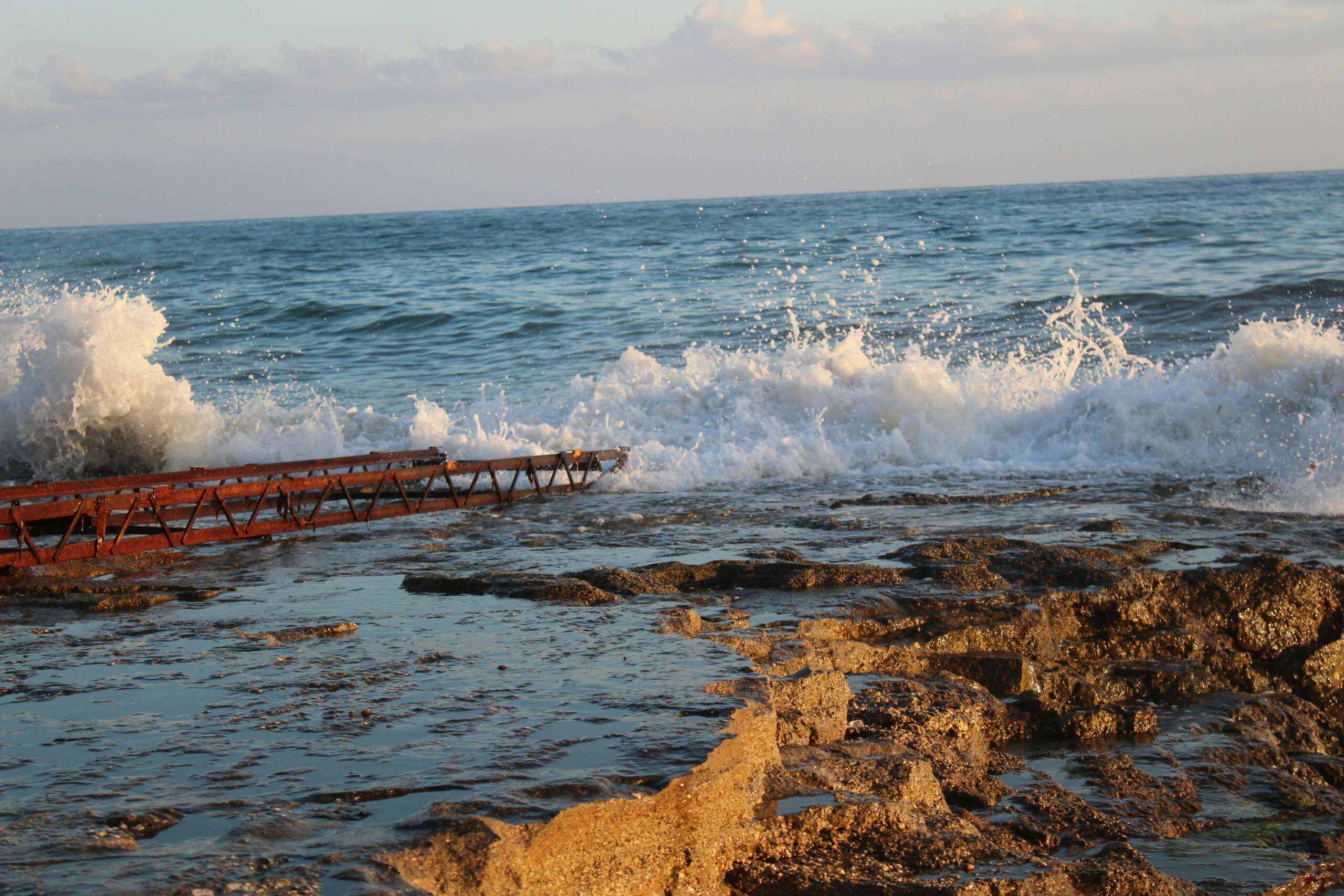
They said the house was built too close to the sea—that every tide tried to take it back. From the lane, it looked half-forgotten: roof bowed, shutters blind, its lone chimney still breathing salt into the air.
When I arrived, the front gate was already open, as though it had been expecting me. The brass sign beside it read THE ANCHORAGE, but most of the letters had fallen away. The Ache—that’s what it really said now; truer, somehow.
Inside, the air smelled of wet wood and old lavender. Dust hung like suspended breath. I’d taken the caretaker’s job because I needed somewhere quiet—somewhere that didn’t ask for explanations, or notice when I disappeared for a while. The agency called it a temporary posting. The locals called it something else entirely: the place where wishes go to die.
They said people came here once—lovers, widows, the kind of dreamers who thought distance might heal what time refused to. They’d rent a room, write down what they wanted most, and leave it behind. Folded notes in drawers. Letters tucked beneath floorboards. Messages slipped between the wallpaper seams.
The first night, I found one under my pillow.
Please let me stop missing her.
The paper was brittle, the ink leached pale by years of damp. I held it up to the window, and the sea wind lifted the corner—as if the wish remembered how to breathe.
I told myself I didn’t believe in haunted places. But the house had its own pulse—slow, stubborn, familiar. Like something refusing to die quietly.
By dawn, the walls began whispering.

By the second week, I’d stopped trying to keep the doors closed.
The sea came in anyway—not as water, but as sound: a low, constant murmur threading through every room. Sometimes I thought it spoke my name. I pretended not to answer.
I spent my days patching wallpaper, oiling hinges, sweeping salt from the floorboards. The work should’ve been mindless—I wanted it to be—but the house never let me drift. Beneath the hum of the wind, I began to hear them: voices caught in the paper seams.
Some were almost gone, just sighs. Others were sharp enough to cut.
Let him come back.
Make me brave enough to leave.
Let the pain mean something.
They rose and fell like the tide. I told myself I was imagining it, but when I stripped the paper from the parlor wall, the words were there—hundreds of them, layered like rings inside a tree. Wishes written in different hands, different years, all bleeding into one another until they formed a single plea—part prayer, part echo:
Remember me.
That night, I dreamed of the house before it broke—fresh paint, open windows, laughter spilling down the stairs. A woman in a blue dress moved through the rooms, trailing light behind her. When she looked up, she had my eyes—and I woke with salt on my lips.
By the third month, I’d stopped pretending I was here to mend the place. The house had other ideas.
Every time I nailed a board, another loosened. Every time I patched a wall, a seam split somewhere else—a small, deliberate rebellion.
It wanted to be opened, not repaired.
The tide kept rising. Mornings, I’d find seaweed tangled in the porch rail, shells in the pantry sink. Once, a fish flickered across the hallway floor before dissolving into mist. The house was learning to breathe water again.
I began keeping a notebook. Each page held a wish I found—in drawers, behind mirrors, folded inside teacups. When I read them aloud, the air shimmered like heat above sand.
Bring her back.
Let the heart forget what it never had.
Save me from myself.
One night, I found a note in my own handwriting.
Let me stop waiting for what will never return.
I didn’t remember writing it, but the ink was fresh—still wet where the tears had fallen.
Outside, thunder rolled across the horizon. The sea pressed closer, white-capped and restless. The old women in the village said the house would fall before morning; the locals boarded their windows and whispered prayers to saints who’d never answered before.
I lit every candle I could find. The walls flickered with their ghosts—names, dates, wishes, all trembling in gold light.
If this was the night the sea would take the house, I wanted it to remember that someone had finally listened.
The storm came like something trying to make amends—all noise and apology.
The wind tore the shutters free, and waves crashed through the windows, scattering paper wishes across the room. They spiraled upward—white birds, frantic and shining. I opened my arms, and the air filled with voices, all whispering the same thing:
Let us go.
I stepped into the flood, tore the last board from the door, and let the storm carry them out—a thousand small hopes dissolving into rain.
When dawn broke, the house was half gone—the upstairs rooms open to sky, the rest a skeleton of salt and memory. I stood in the wreckage, soaked to the bone, and for the first time in years I wanted something again—breakfast, warmth, the quiet proof of being alive.
The morning after the storm, the sea lay flat as glass—all fury spent, all secrets kept.
From the lane, the house looked smaller, gentler somehow. Half its body gone to the tide, half clinging to the cliff like an animal that had survived the hunt.
The villagers came to stare, shaking their heads.
Tragic, really, they said. All that history, washed away.
But they didn’t hear the hush that lived beneath the silence—a low, steady hum, like breath drawn in peace.
I spent the day salvaging what remained: a teacup, a chair leg, a single photograph half-eaten by salt. The faces were blurred, but their hands still touched.
When I turned it over, there was a line of faded ink on the back:
Everything we ask for finds us eventually—it just changes shape.
That night, I lit a candle in the last dry room. The walls were bare now, the air bright with salt and soot.
I didn’t make a wish this time. Wanting was enough—for once, it was mine to keep.
Outside, the wind moved through the broken rafters, carrying the sound of wings. The sea glowed faintly—not gold, not silver, but the soft color of beginning again.
They say the house still stands at the edge of the moor, half-drowned, half-dreaming.
They say if you listen at dusk, you can hear paper rustling where the walls used to be—wishes turning over in their sleep.
But no one calls it The Ache anymore.
They call it The House That Remembered.
Hollie Warren is an author from the Lake District, England. She is a disabled mother and has work forthcoming in Pithead Chapel and Breath & Shadow.