By PAM MUnter
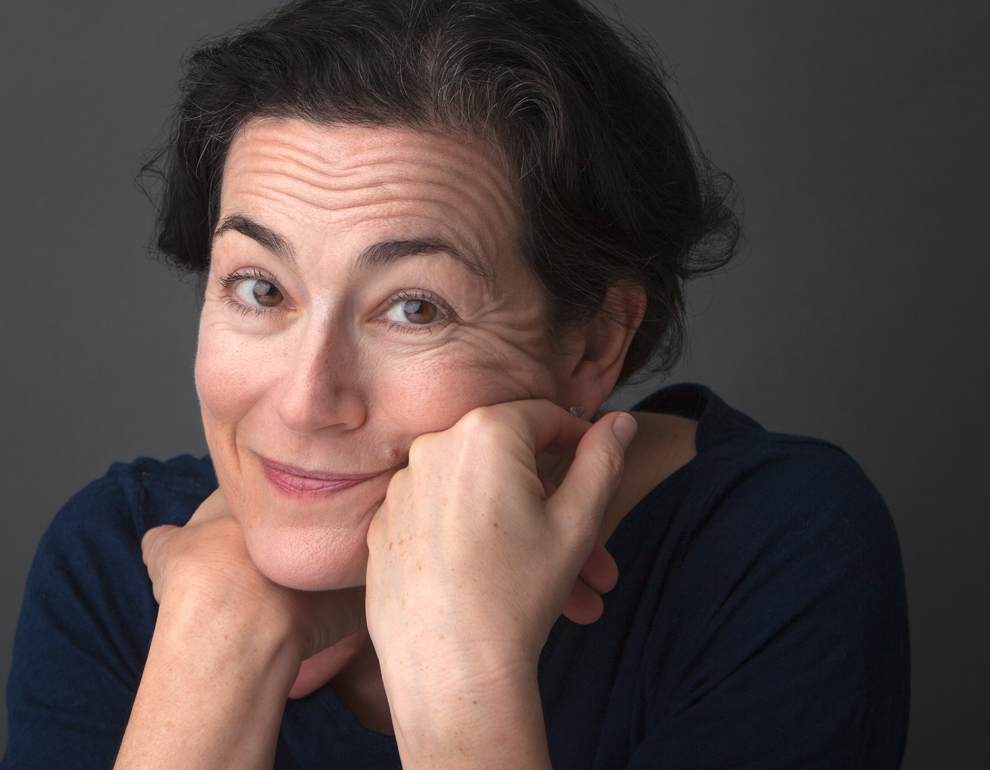 A graduate of Yale and the Bennington Writing Seminars, Dinah Lenney also trained at New York’s Neighborhood Playhouse School, home of the esteemed Sanford Meisner technique. Like writing, acting has taken her to myriad places—stage, screen and theater—allowing her to play a wide variety of roles.
Dinah has taught both acting and writing courses all over the country. She has also spoken at a TED conference at USC, a presentation integrating her interest in all the arts, “When Life Meets Art.” With Mary Lou Belli, she wrote Acting For Young Actors: The Ultimate Teen Guide.
And she has written two memoirs, the first (Bigger Than Life: A Murder, A Memoir) the story of her relationship with her father following his brutal murder. The second (The Object Parade: Essays) is a collection of autobiographical essays. More recently, she edited and contributed to a collection of flash essays, Brief Encounters: A Collection of Contemporary Nonfiction, with Judith Kitchen.
In between books, Dinah has written essays and reviews for literary journals, anthologies, and newspapers—both online and print. She is currently a Senior Editor for the Los Angeles Review of Books. She and her husband live in Los Angeles and have two grown children.
The Coachella Review: Let’s start at the top. Why did you start writing?
Dinah Lenney: I’ve been writing as long as I can remember—since I was a kid. I wrote to entertain myself and I wrote to let off steam—to figure things out—because if I didn’t write it down, whatever it was, I thought I’d burst. And that’s still why I write. I write, therefore I think, y’know? And not the other way around.