

By Paul K. Smith
Roles:
- THIEF: Any age, any gender, any heritage. Projects menace.
- CLERK: Any age, any gender, any heritage. Registers threat.
Plaintive and Conciliatory for the first five minutes.
Place: A convenience store in an American city.
Time: Just before midnight
Night. A convenience store. Empty. Except for the CLERK.
A big clock with a clock face – the hands show it is ten minutes to 12.
At Rise: The CLERK is behind the counter, ritualistically wiping cans in a display, using a long feather duster. Wiping clean and counting familiar places in his circuit.
(Outside, a THIEF walks back & forth, fighting a temptation to go in, rob the store. Finally he goes to the unlocked door – but sees a CLOSED sign.
(The THIEF enters the store. Lots of pockets in what he wears.)
(CLERK continues to dust cans. Watches for the big clock to release him.)
(CLERK counts out each can he dusts.)
(THIEF watches him until the menace of his presence registers. . .)
CLERK: Forty-nine. . .
THIEF: (Menacingly:) Would be no problem to blow the back of your head off, would it?
CLERK: (Matter-of-factly:) Did you find what you need?
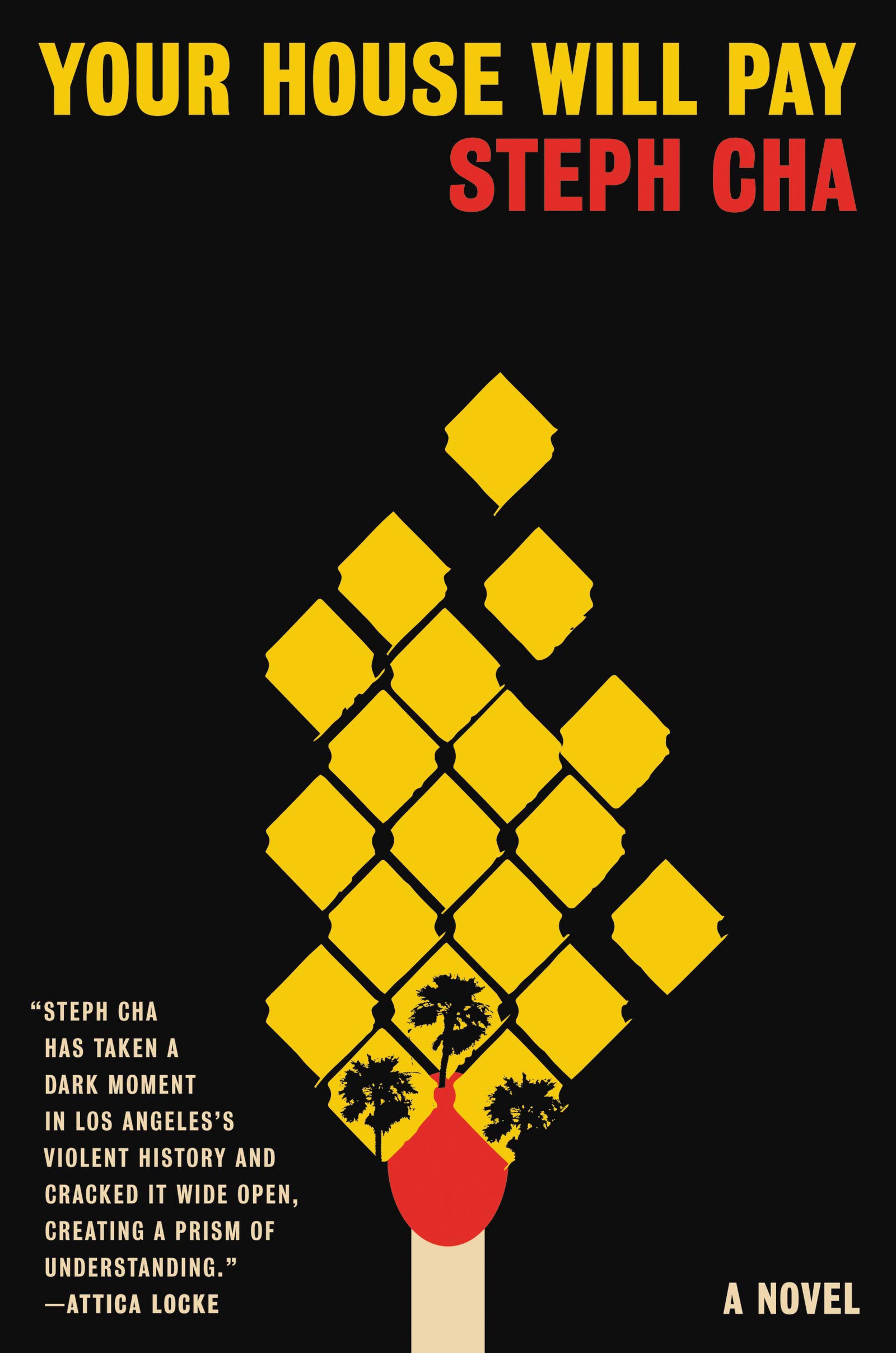
 Ripples from the past resurface in Steph Cha’s new novel, Your House Will Pay.

 The versatile writer and former actress Rachel DeWoskin—a member of my Chicago writing group since we were set up on a “blind friendship date” by our mutual close friend Emily Rapp Black—was born in Kyoto and raised in Ann Arbor, Michigan. After studying English and Chinese at Columbia University, DeWoskin moved to Beijing to work as a public-relations consultant and ended up all but accidentally becoming a Chinese TV star and sex symbol on the blockbuster nighttime soap opera Foreign Babes in Beijing, which was watched by approximately 600 million viewers. Following this heady and surreal experience, DeWoskin returned to the United States in 1999 and returned to her first love—literature—earning a master’s degree in poetry from Boston University. Her memoir,
  conducted while we were both traveling like maniacs over the summer. Further, as a breast cancer survivor myself, the publication of Banshee feels watershed to me. Transcending facile “sick lit” portrayals of virtuous heroines and “feminist outlaw” labels that eschew serious examinations of women’s own culpability, DeWoskin presents instead a ferocious, lyrical, highly skilled tightrope walk of one woman’s simultaneous emotional disintegration and sexual awakening in the face of a dehumanizing medical industrial complex and a lifetime of seeing male colleagues “getting away” with behavior she would never have considered prior to staring her mortality in the face. What results is one of the most complex, morally ambiguous and intimate stories of body and women’s (still) societally sanctioned roles I have read in recent years. It was my great honor to read and blurb Banshee prior to its publication, and it’s even more exciting to share my conversation with Rachel DeWoskin with TCR readers.


 Author Lyz Lenz’s marriage ended after the 2016 presidential election. Lenz voted for Hillary Clinton, and her husband voted for Donald Trump, and although this wasn’t the reason for the divorce, it was a catalyst after years of signs that Lenz and her husband were different people.
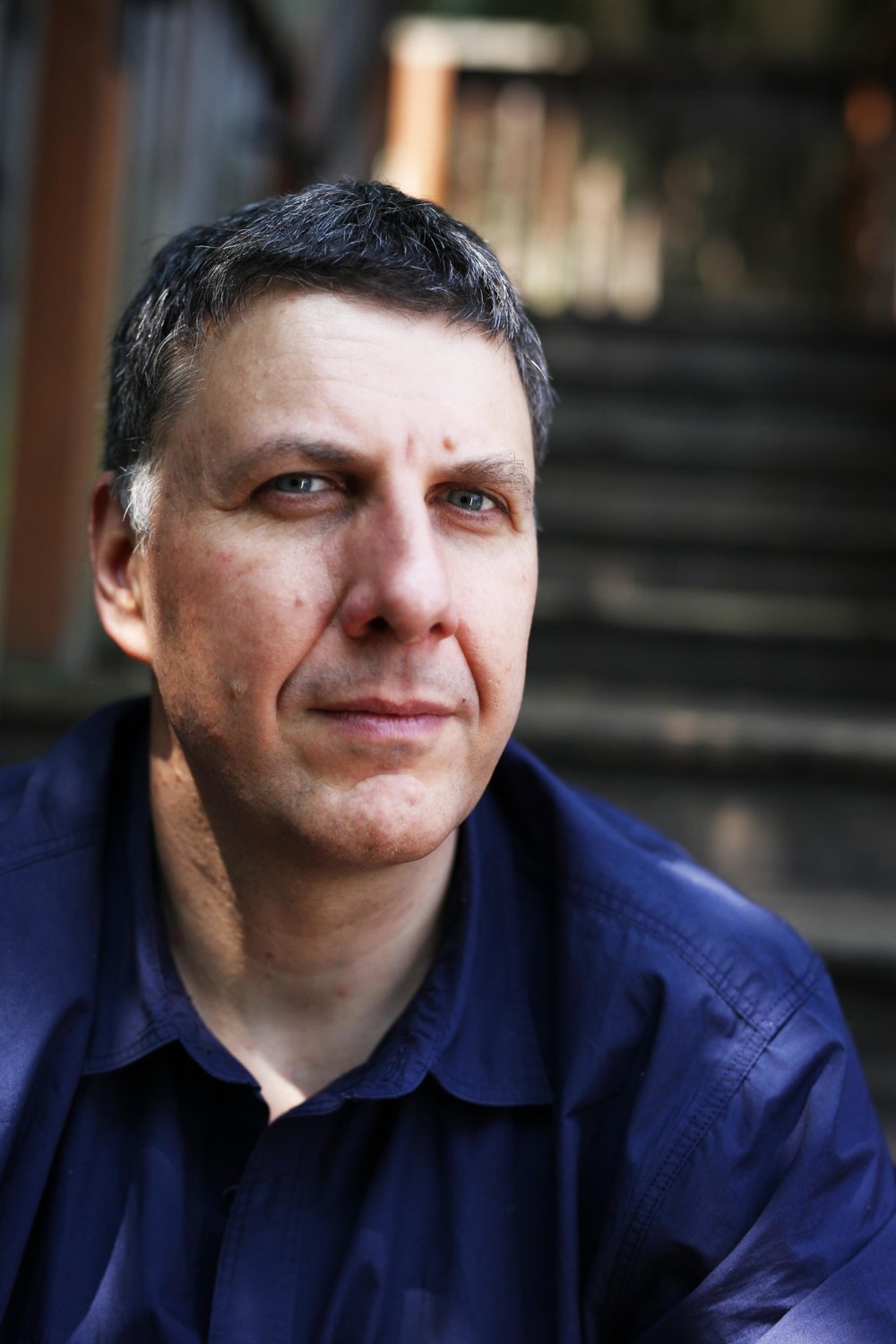
 Matthew Zapruder is a poet, a teacher, an editor, a translator, and an accomplished guitar player. He is the co-translator of Romanian poet Eugen Jebeleanu’s last collection, Secret Weapon: Selected Late Poems, and editor-at-large of Wave Books (He edited Tyehimba Jess’s 2017 Pulitzer Prize winner, Olio). Zapruder is the author of five collections of poetry—the second of which, The Pajamaist, was selected by Tony Hoagland as the winner of the William Carlos Williams Award—and one book of prose on the art and craft of poetry. He is a professor in the MFA program at St. Mary’s College of California.