
Ubutata Kutatishyanya
The duties of a father and child must be reciprocal
Bemba proverb.
I am learning about forgiveness through a recollection of vertigo after my father. A Sunday before school, I am eleven, and the most important worry is how I will render myself to my friends in light of another loss for which they’ll punish me with pity. In the vanity my aunties use to cover their blemishes every morning, I practice saying My father died, for the inevitable questions about what I did over the school holidays. It’s supposed to soften with practice. One, two, three deaths should’ve made an expert of me. Instead, the mirror won’t do its work––replacing my face with a brown haze. I try again, again. Again, till mercifully, the door hinges whine, and familiar steps approach. The father for whom I am bleeding tears will remain an unformed thing. I lived with him in acute bursts when he and my mother loved each other like theirs was the only one in the universe. The only lingering knowing is that I wear his face. The steps stop behind me, and when I look up, my tears have ebbed. My uncle smiles. Him, I know. His fatherhood has been a steady thing since before I was a flower girl at his wedding to my mother’s sister. He swallows me into his arms. This pity, unlike the one I am bracing for tomorrow, is one I can take. I let him hug me and pat my back till the heaving surrenders to something softer. Listen, baby girl, he says. My mind latches onto the music at the base of his voice, his stubble scratching my forehead, and the sillage of Clavin Klein cologne. He says, I know I can’t replace your Dad, but I will never abandon you. It will be okay, and my body grows still, believing.
When, years after his divorce, he falls in love with a woman whose ultimatum before their wedding involves unfathering me because who ever heard of loving a child who is not kin, I almost laugh. She is gorgeous, yes, has hair which, when it falls, looks like a camera is hidden somewhere, capturing the moment. Her house is as sophisticated as her clothes, with decor from all the places she has flown to. But this is my dad, even if I’ve never called him the word. And my dad, who picked me up the day my little sister died, is no breaker of promises. This man was my first hug after my mother went for her youngest daughter. This man carried me wailing to get my Measles shots, and rewarded me with ice cream after. This man waited in the car while I got drunk at my Leavers Ball. He sat quietly with me while I cried over my first heartbreak. He was my introduction to Janet Jackson and mushroom sauce over my steak. When I bombed my Q&A at Miss Zambia, his spectacled face in the crowd kept me from letting my shaking knees give way. Afterward, he still believed in my dreams––all the senseless, rabid ones. This is my dad, and love is not a thing that beauty, no matter how immutable, can sever.
So, I nestle into the safety of that old promise—even when he stops coming to visit me, even when all my calls go unanswered, even when I am running through the rain to find the next shady tree and not arrive at my destination half-mud, half-clinging wet clothes, and he drives right past me.
If I were the kind of person to face my demons like I was about to embrace them, I’d say forgive me to him. Instead, when reminders of him rush to the shore––an old photograph, my kids laughing at a joke he once told me, singing, There are times when I look above and beyond. There are times when I feel your love around me at a Janet concert––I am again the girl in the mirror. My voice catches—my reflection blurs. I consider his promise anew, dwelling now on its beginning and not its end. Two decades removed from the moment, my body grows a new kind of quiet, believing him.
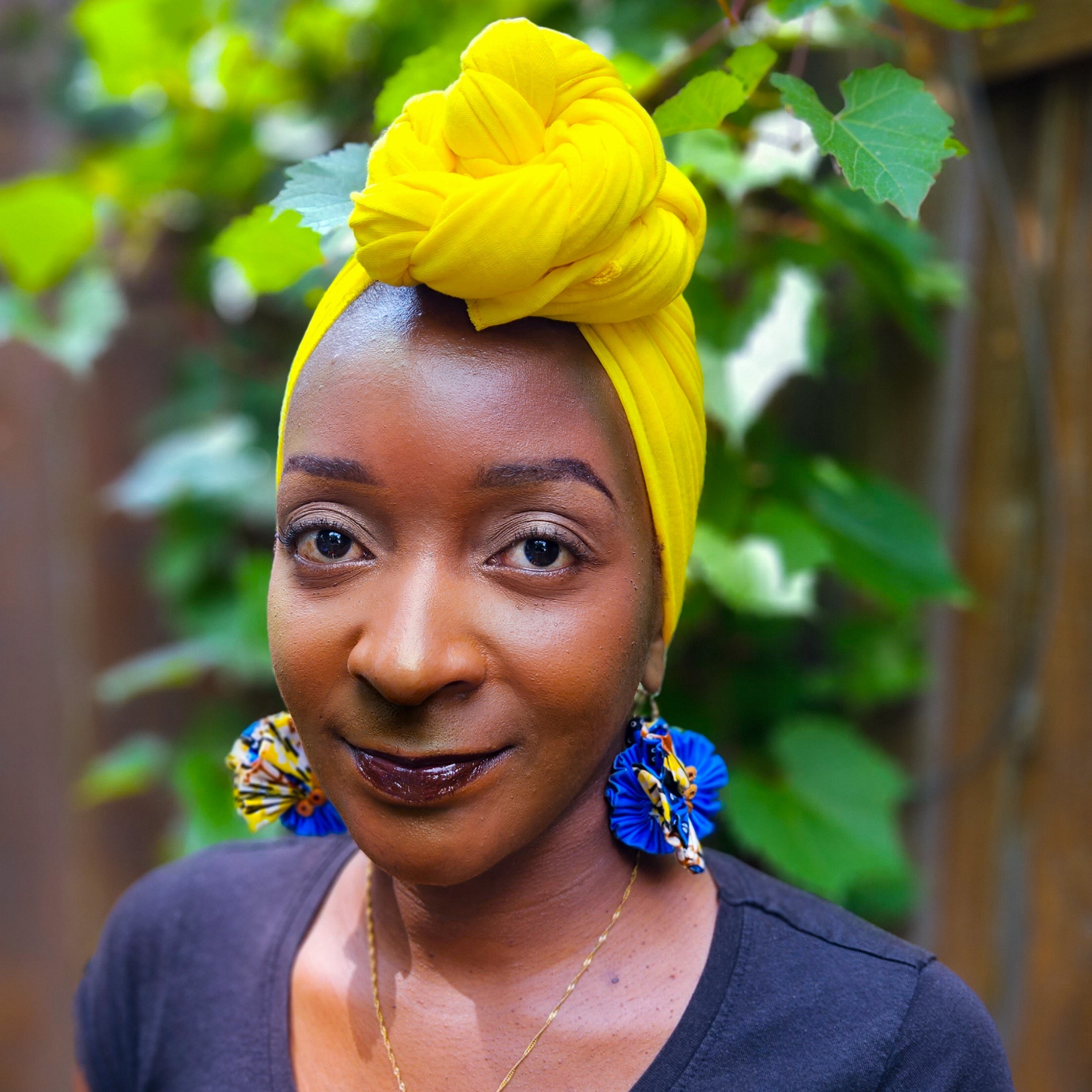 Mubanga is the author of The Shipikisha Club (Dzanc, 2026), Obligations to the Wounded (University of Pittsburgh Press, 2024), Another Mother Does Not Come When Yours Dies (Wayfarer, 2025), unmarked graves (Tusculum, 2022), and The Mourning Bird (Jacana, 2019). Her work appears in adda, Overland, Isele, Kweli, Netflix, and elsewhere. She has edited for Shenandoah, the Water~Stone Review, Doek!, and Safundi, and mentors at the Minnesota Prison Writing Workshop. Mubanga founded Ubwali Literary Magazine. She is a PhD student in Feminist Studies at the University of Minnesota, where she researches Zambian married women who are long-term survivors of HIV through an autoethnographic feminist lens.