Reviewed by Melinda Gordon Blum In November 2017, Claire Dederer’s Paris Review essay “What Do We Do with the Art of Monstrous Men” documented her personal, lifelong experience of grappling with the problem of separating the art from the artist, exploring whether this is something achievable or even necessary. Monsters is, in part, the book-length outgrowth of that piece. A…
Reviewed by Jennifer Schuberth While Chloé Cooper Jones’s Easy Beauty is a gripping memoir about parenting, disabilities, and figuring out what to do next, it is also a philosophical masterpiece, written in the tradition of those who see philosophy not as a dry academic subject but as a way of life. In prose that is gorgeous, concise, and often very…
Reviewed by Jeannine Burgdorf Erica Berry’s first book, Wolfish: Wolf, Self, and the Stories We Tell About Fear, casts a wide net, examining definitions of nature, the built environment, borders, nations, history and the self within the context of characterizations of wolves. Ambitious in scope and at times dense with references that can seem digressive, the book maintains Berry’s thesis…
Ask writers from a marginalized community about their workshop experiences, and far too many can reply with stories of being stereotyped, exoticized, infantilized, or disregarded—by fellow workshop participants and instructors alike—for being queer, non-white, female, gender-nonconforming, disabled, neurodivergent, etc. Although more people have vocalized these concerns and requested more diverse creative writing faculties, budget cuts and hiring freezes sometimes hamper…
Constraint is often the birthplace of creativity, but it is also the birthplace of struggle and limitation. Arguably, no other people know this better than queer people of color. Faced with the oppression of their very existence, their intersectional identities allow them to thrive in radical self-acceptance and illuminate the horrors they and others face in their daily lives with…
Reviewed by L.A. Hunt In Liz Prato’s latest collection of essays, Kids in America: A Gen X Reckoning, she examines Gen-Xers through first-hand boots-on-the-ground accounts. The thing is, as any Gen-Xer will argue, there’s no real club membership card or forgotten generation subscription, and they prefer it that way. They proudly defy categorization, which makes it difficult to sort an…
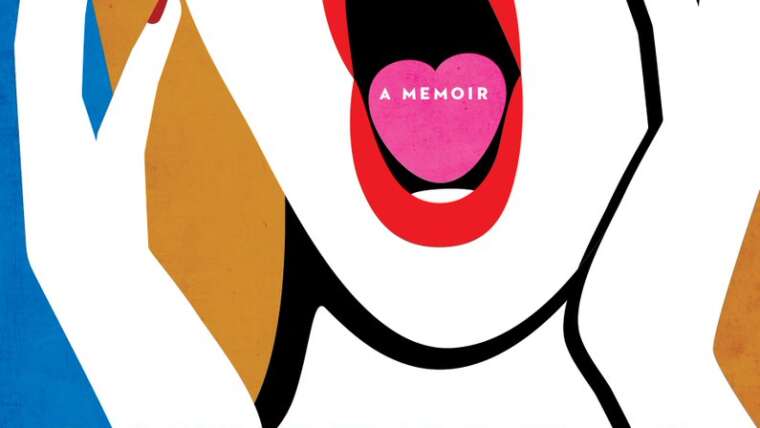
by Melinda Gordon Blum Elissa Bassist’s memoir opens like a medical mystery and segues into a searing indictment of the personal costs—to the soul, body, mind, and spirit—of the malady that is living as a woman within a patriarchy. It turns out there is no real mystery and Bassist is no patient zero; this is an ancient story, an inside-the-house…
They are displaced, sometimes hunted, persecuted. Peoples forced from their homes due to war or violence. And if they come to the United States, only a fraction of them get in, and fewer still are welcomed by the masses. Here, those who survive poverty, politics, and ruin in their homelands are then confronted by those who spread violence, use them…
Celebrities often take an omnipotent position in modern society, acting as paragons, villains, and jesters of our time. Their opinions are met with adoration or disdain, satire, and protest. They influence style, commerce, and politics, and we, the readers, guide their rises and their falls. They walk the fine lines of artists, athletes, influencers, and journalists who must balance both…
by Melinda Gordon Blum The memoir Nein, Nein, Nein! has us at its subtitle. The “one man” is none other than Jerry Stahl, whose acerbic humor and kinetic prose transported his book Permanent Midnight into a fever dream classic, a standout in the crowded “junkie memoir” genre. Who better to pen a modern-day reckoning with the legacy of the Holocaust…