By John Flynn-York
Wild, beautiful, bawdy, and vivid, C. W. Cannon’s new novel, French Quarter Beautification Project, is the song of one night on the streets and in the bars of New Orleans’ French Quarter, circa 1986. Waveland Rogers, known as “Buck” by all—“they call him Buck Rogers because of his repute for epic spaciness, a grand, sweeping, tremendous, but detailed spaciness”—is an aspiring composer who frequently drifts off into music-inspired reverie. He’s a server at Everybody’s Happy, a restaurant with themed tables and a costumed waitstaff, who jocularly call it “Nobody’s Here” due its lack of clientele. Buck wears a fedora and carries a whip, earning him another nickname, Louisiana Jones; his fellow servers include the buxom, randy Glory Ann, who dresses as Tinkerbell; a young guy known as Scrunge, who parades around as a lion; and Marciss, the manager, who takes his responsibilities lightly and is the occasional object of Buck’s skittering lust.
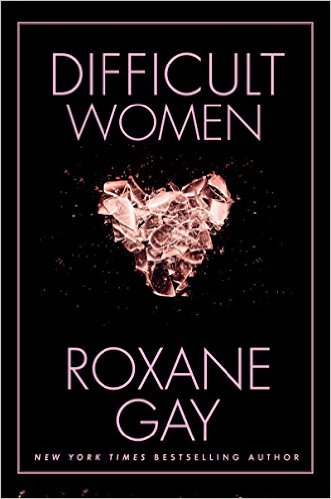
Roxane Gay’s Difficult Women is a relentless and thrilling read. As in much of Gay’s other work, particularly her novel An Untamed State, there is no looking away from brutality, yet moments of grace, beauty, and humor serve as striking counterparts to the more unsettling passages.
Hope is not the typical remedy that doctors prescribe for medical illnesses, yet it is exactly what neurosurgeon Paul Kalanithi turns to when he is confronted with stage IV lung cancer. But what good is hope when all other scientific evidence points to an imminent end? Kalanithi’s memoir When Breath Becomes Air is about learning how to face death head on, while examining what it means to be alive. His definition of hope is not one that is unrealistic, or based on some miraculous intervention, but the very real possibility of leading a fulfilled life despite the amount of time one has left.