BY Natalie Crick
See
The moon hangs in utter darkness,
A smoldering black,
A crack of light
Disappearing almost,
The world paused outside.
The moon hangs in utter darkness,
A smoldering black,
A crack of light
Disappearing almost,
The world paused outside.
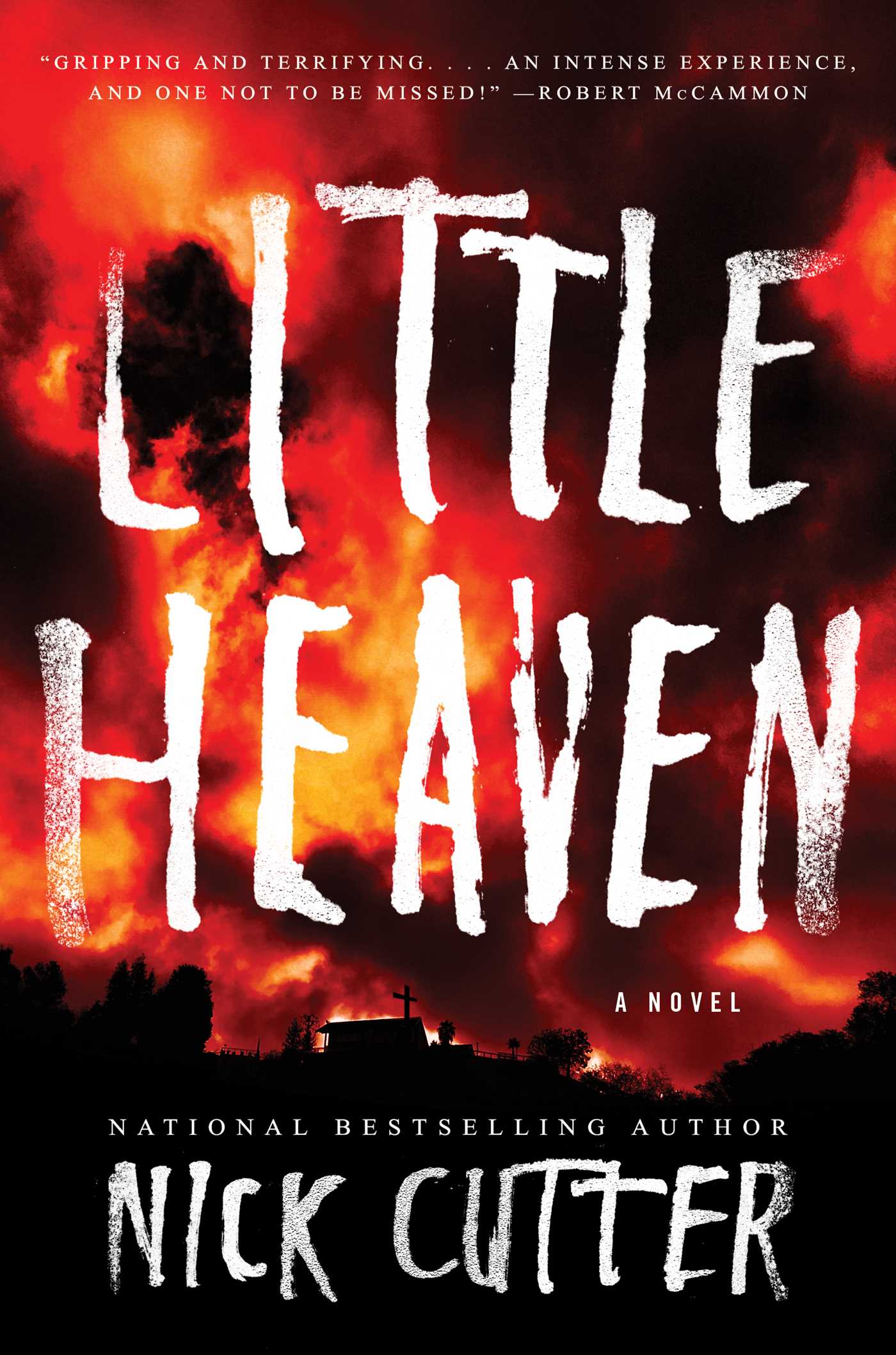
By eli ryderNew Mexico, 1965. Three seasoned killers converge on each other, then on a cult leader and a consuming force of darkness that threatens to overtake the world. Fresh, unflinching horror ensues. This is Nick Cutter’s Little Heaven. New Mexico is the perfect sparse setting for this modern take on classic westerns; outlaws, revenge, a maiden in distress, and a reverend that makes the most unhinged Pentecostal tongue-speaker feel perfectly sane all combine in a series of story beats Louis L’Amour would have found comfortably familiar, if he could stomach the visceral punches Cutter weaves throughout, a la Cormac McCarthy. Little Heaven’s New Mexico has “scratch-ass” towns with “straggle-ass” streets in which hired guns ask their targets, “Are you square with your creator?” before dispatching them to what lies beyond.
T. Greenwood’s new novel, The Golden Hour, is a beautiful, haunting mystery folded into the personal drama of a woman finding her artistic truth. When she was thirteen, Wyn took a shortcut through the woods on her way home. What happened there would send Robby Rousseau to jail and forever mark her as a cautionary tale to other girls. Twenty years later, living next door to her ex-husband, Wyn is unhappily painting generic landscapes to pay the bills when she learns that new DNA evidence might set Robby free.
Wild, beautiful, bawdy, and vivid, C. W. Cannon’s new novel, French Quarter Beautification Project, is the song of one night on the streets and in the bars of New Orleans’ French Quarter, circa 1986. Waveland Rogers, known as “Buck” by all—“they call him Buck Rogers because of his repute for epic spaciness, a grand, sweeping, tremendous, but detailed spaciness”—is an aspiring composer who frequently drifts off into music-inspired reverie. He’s a server at Everybody’s Happy, a restaurant with themed tables and a costumed waitstaff, who jocularly call it “Nobody’s Here” due its lack of clientele. Buck wears a fedora and carries a whip, earning him another nickname, Louisiana Jones; his fellow servers include the buxom, randy Glory Ann, who dresses as Tinkerbell; a young guy known as Scrunge, who parades around as a lion; and Marciss, the manager, who takes his responsibilities lightly and is the occasional object of Buck’s skittering lust.
Find yourself at crossroads
Stamp your feet
Shake the dust off your metaphor
Give thanks you are not Oedipus
Release your nightmares back to sleep
By Brendon Smith Brendon Smith lives in Madison, Wisconsin with his lovely wife, creative son and annoying dog. He has had many of his one-acts produced, but this is the first one to be published.
There seems to be a rule that a talented director will eventually make a bad movie. With so much that can go wrong with making a film, it’s almost inevitable. Paul Thomas Anderson made “Inherent Vice” (2014) and Susanne Bier made “Serena” (2014). So far, Denis Villeneuve has escaped this fate. His latest film, “Arrival,” does not reach the heights of his previous work, but it is nevertheless a quality picture.
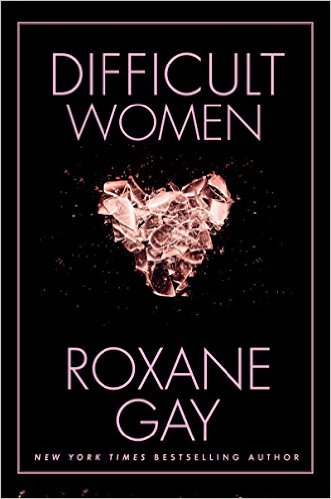
Roxane Gay’s Difficult Women is a relentless and thrilling read. As in much of Gay’s other work, particularly her novel An Untamed State, there is no looking away from brutality, yet moments of grace, beauty, and humor serve as striking counterparts to the more unsettling passages.
In these twenty-one stories, women negotiate problematic relationships, search for love and comfort, and try to cope with pain.
Dear Art Collector:
Congratulations! The art world is all abuzz over your winning bid for Maurizio Cattelan’s “Him” at Christie’s recent “Bound to Fail” sale, a record-breaking sum for work by the famous artist. I personally wouldn’t spend $17.2 million for a nearly life-sized, wax and polyester resin effigy of Adolph Hitler, but I can see how a dictator or two might add to your caché among those folks who like art that pushes conventional boundaries.

Rich Ferguson’s debut novel New Jersey Me is a coming-of-age tale set in an intriguingly dysfunctional ‘80s South Jersey town. The narrator, Mark, has a chaotic home life. His mother moved out of the house when he was fifteen, leaving him alone with his dad, a tough-talking, somewhat shady police chief, and the good things in his life are few and far between. He and his best friend Jimmy are even convinced they’re cursed by a “pet jinx” that causes all animals in their care to meet a premature demise. The two teens spend most of their time listening to music, getting wasted, and trying to have as good of a time as they can in Blackwater, a town Mark describes as “just strip malls, gun shops, radiation, and funeral homes.”