By Sarah Sheppeck
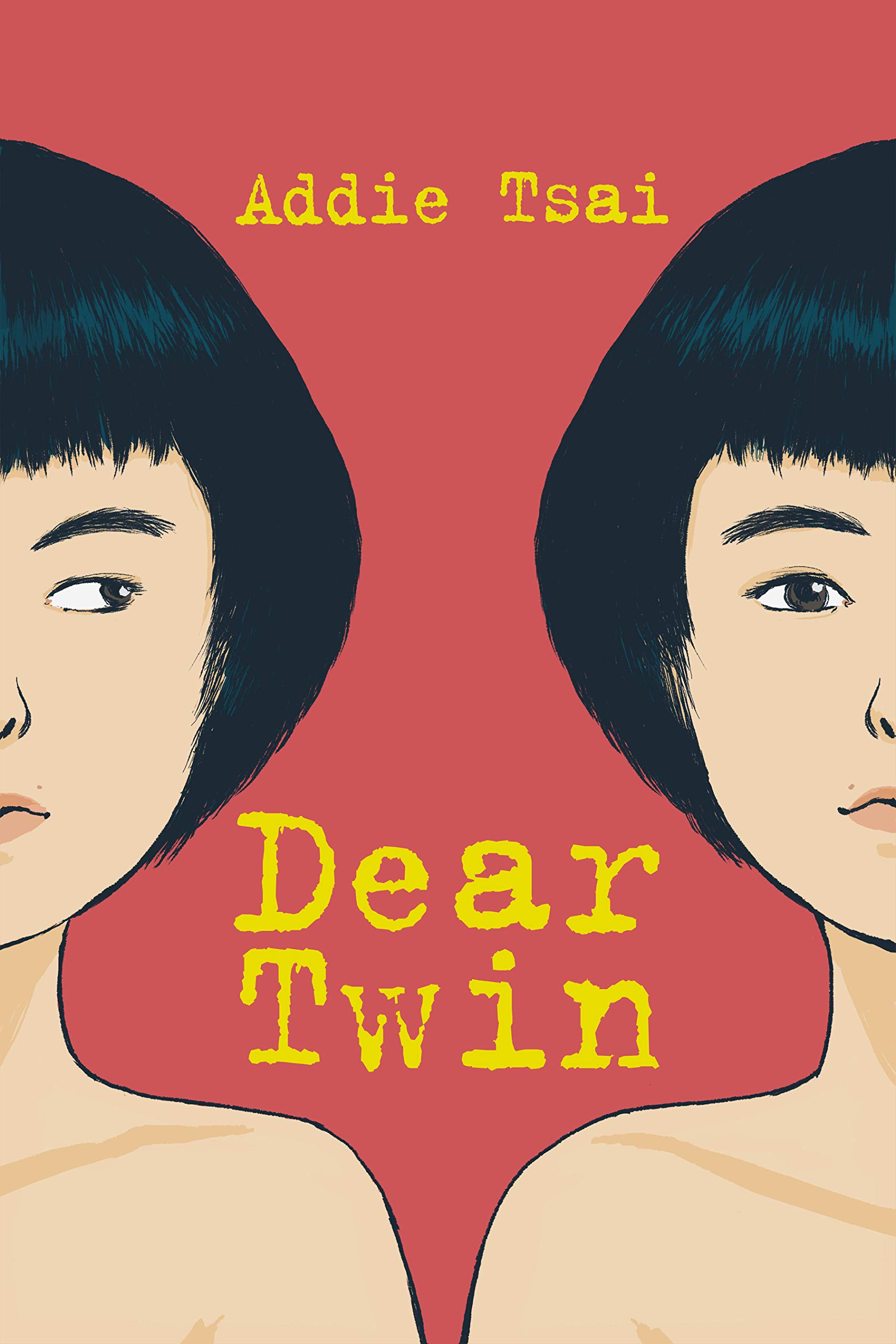
 Are you Asian? Queer? Mixed race? A twin? No? Then Addie Tsai’s debut novel Dear Twin isn’t for you—emphasis intentional.
Don’t misunderstand—there’s broader appeal in this narrative, which also tackles the less niche topics of interpersonal relationships, individuality, and abuse, both emotional and physical. But it’s clear that in this deeply personal young adult novel, fictionalized in part from the bones of her own memoir, Tsai hopes to reach certain young adults—those who identify at a core level with her pansexual, Asian-and-white, daughter-of-a-first-gen-immigrant narrator, Poppy, who can add the additional hyphenate of “identical twin” to her list of particular identities. In fact, Poppy isn’t just a twin, but a mirror twin, meaning that she and her sister Lola (short for Lolita—there are layers to that) have matching-but-opposite physical traits, like a birthmark that appears on the left side of Poppy’s face but the right side of Lola’s.

 The Butterfly Girl, Rene Denfeld’s second offering in her Naomi Cottle series, explores what it is to be lost versus invisible in a gritty thriller set in Portland’s Skid Row. Denfeld does a masterful job creating a compelling narrative by alternating views between two main characters—Naomi and Celia.


 Know My Name by Chanel Miller (Viking, 2019) is the untold story of the person who the world came to know as Emily Doe, the victim of a widely reported 2015 sexual assault on Stanford’s campus. Though Know My Name is a memoir, the book is many other things—a victim’s manifesto, a story of love and loss, and a close examination of the broken systems that protect perpetrators and betray victims. Chanel Miller, the woman we meet in the pages of this book is many things too. She’s an activist, a victim, a writer, an artist, a comedian, a daughter, a sister, a visionary, and more.



 Ripples from the past resurface in Steph Cha’s new novel, Your House Will Pay.


 Banshee opens with a moment of bodily violence and tragedy. Not the personal tragedy of Samantha Baxter, sitting in an oncologist’s waiting room, moments from the cancer diagnosis which will unravel her, but the tragedy of a stranger: