
BY: Robert Beveridge
The needle at seventy.
The plains states pass,
one endless road and miles
of crops. Now and again,
corn becomes barley.
You, next to me.
The heat was too much;
you cropped your hair, left it
at the last rest stop
hundreds of miles ago.
Your t-shirt lies
on the cooler.
Seat half-reclined
window topless
seventy-mile-an-hour wind
dries sweat before it forms.




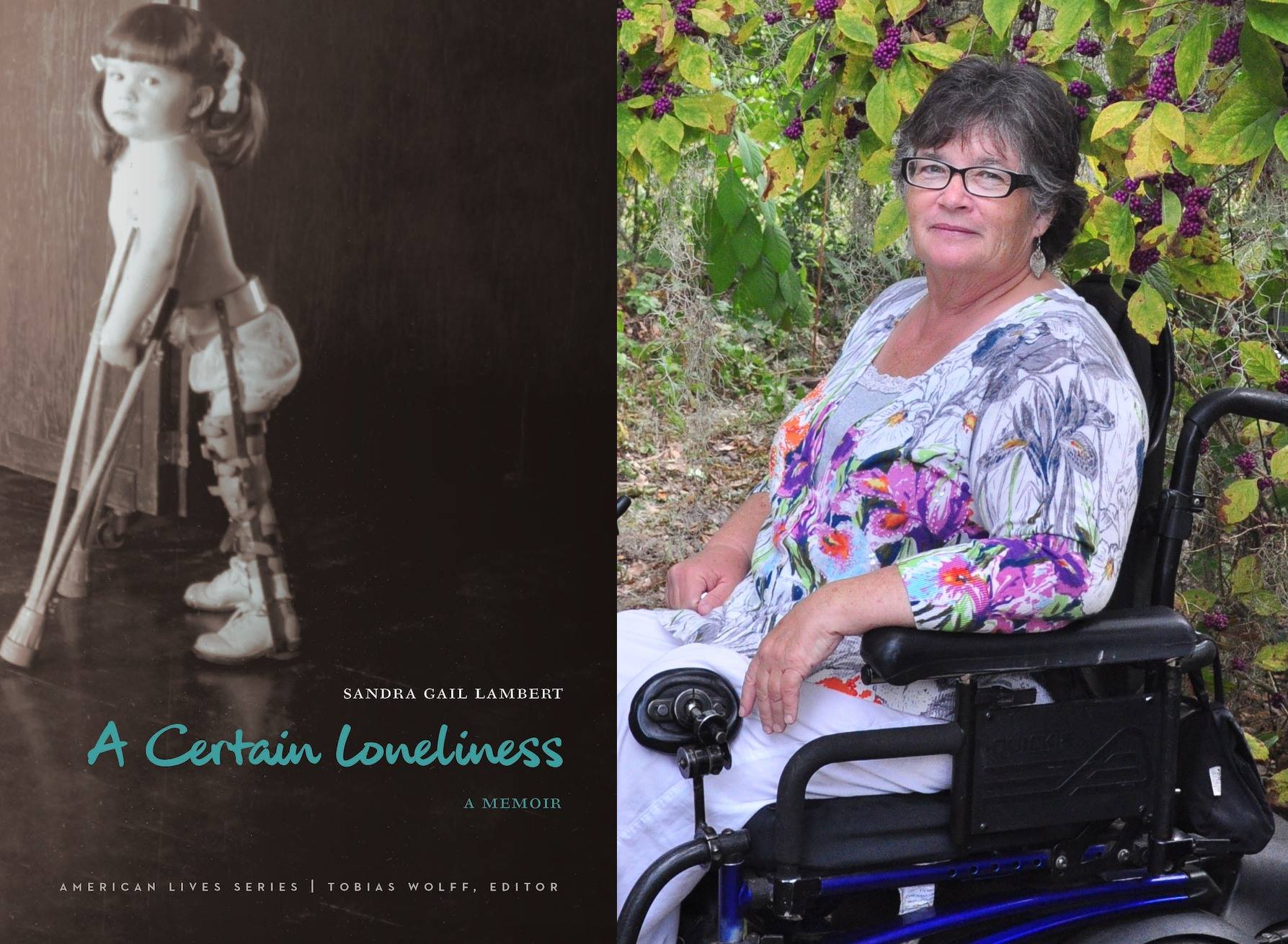
 In her touching memoir of life as a disabled lesbian, Sandra Gail Lambert probes the issue of what quality of life really means. Throughout the series of short essays, Lambert takes the reader on a journey from the author’s childhood, where we learn Lambert is stricken with polio, to an adult struggling to maintain her independence in the face of the disease that wracks her body with pain and limitations. In equal parts, the memoir is a story of self-love and the search for Lambert’s one true love—a life partner.