
By Laurie Rockenbeck
 Karen Stefano’s What A Body Remembers is a timely and moving illustration of how our bodies instinctively tie our senses and memories together. It is a compelling book that reads as much like true crime as it does memoir, while delving into heady topics like trauma, PTSD, and victim blaming. Stefano manages to approach these subjects with a sensitivity that invites the reader to a deeper understanding of the after-effects of trauma while evoking empathy over pity.

 “How we slice the skin: Carefully, that’s a given.” So opens Mostly Dead Things, Kristen Arnett’s debut novel about Jessa-Lynn Morton, a grieving taxidermist living out a less-than-satisfying life with her dysfunctional extended family in Florida. I’m a sucker for a killer opening line, a killer opening scene, and I knew right away that I was in for something special. As the novel opens, we watch as narrator Jessa-Lynn Morton recalls her father teaching her taxidermy in his workshop. The scene is vivid and engaging. Right away, we begin to see what Jessa has been willing to do, ignore, and give up, all in an attempt to preserve or create the life she imagines for herself.
 Since the publication and instant success of her debut nonfiction book, Three Women, Lisa Taddeo has stated that she set out to tell a story about human desire. She spent eight years researching and writing the book, and as the years progressed, the story narrowed: she went from writing about human desire to writing about female desire. She went from writing about hundreds of women to writing about dozens, and then less than a handful, and then, finally, three. She went from denying any requests for anonymity to shielding the identities of most people featured in the final book. The resulting story feels, at first glance, too specific to be universal: three women, living in small American towns and entangled in various phases of heterosexual relationships.

 Celeste Ng’s first novel, Everything I Never Told You, was a national and international bestseller, and her second novel, Little Fires Everywhere, now available in paperback, does not disappoint. The novel is set in Shaker Heights, a community planned so specifically that there is a siren on Halloween announcing the start and end of trick-or-treating festivities. Trash is picked up from each resident’s backyard to avoid the unsightly appearance of trash cans on the curb, and the city’s motto is “Most communities just happen; the best are planned.”
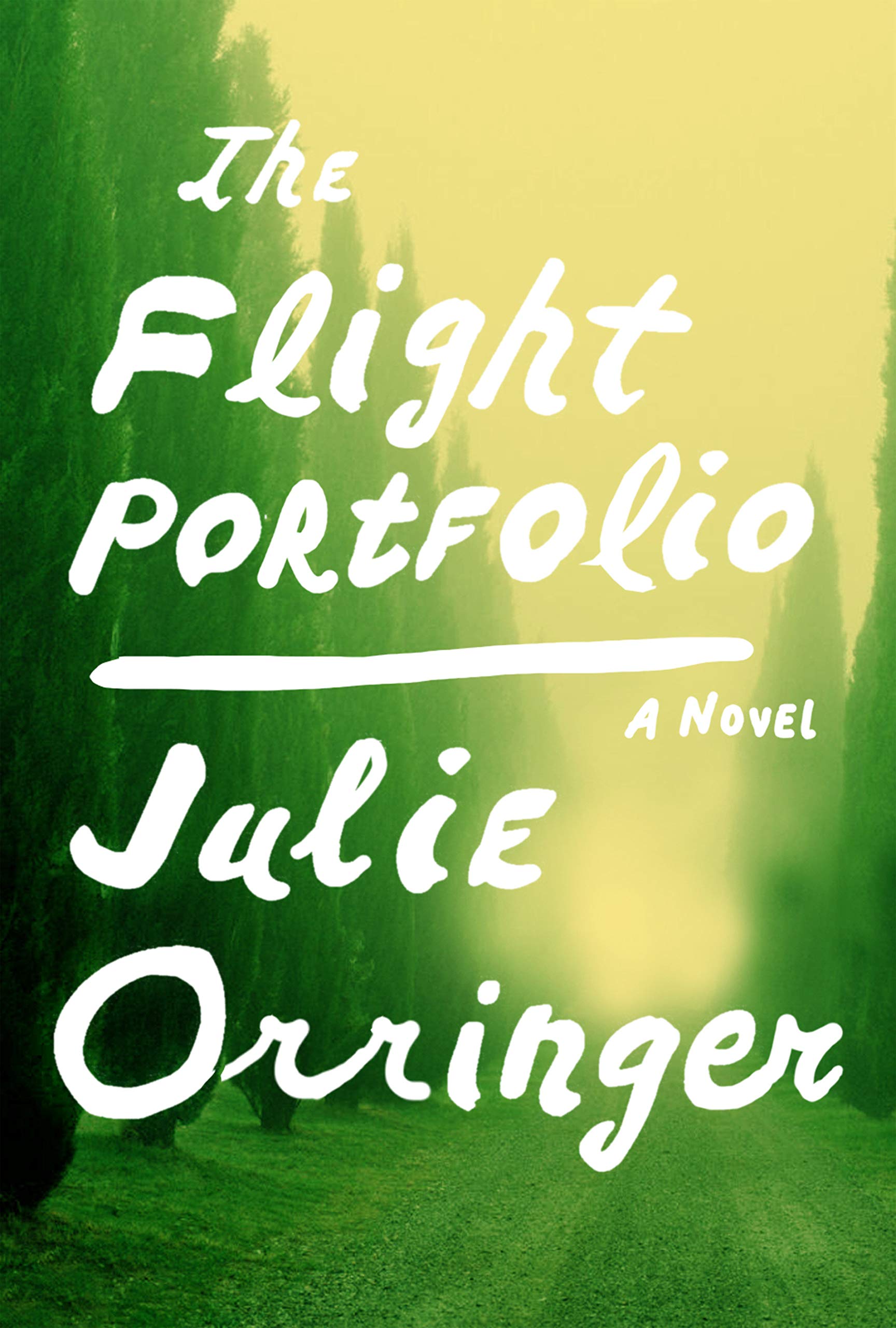
 How do you assign a price to a human life? Are some lives worth more than others? In a world that is on the verge of collapse, do the rules of the living apply? In her second novel, The Flight Portfolio, Julie Orringer explores these questions.


 It is almost 11:45 a.m. on a rare sunny day in Berkeley and instead of being outside, I am sitting in the basement lecture hall of Berkeley City College that smells vaguely of feet. My cell phone doesn’t get reception, so I cannot distract myself from my impatience and anxiety. I am anxious because I want to like this panel of authors, because I deeply respect the moderator, and because I need something to write about, to tie into, my review of Jamel Brinkley’s collection A Lucky Man.