The last time I saw Francine, the two of us were secluded in the back of some hole-in-the-wall shop sitting across from one another in a dilapidated booth. While she sat slouched, submerged deep into the worn cushions, sobbing over the messiest of meatball subs, I kept my back straight—determined to maintain my composure with perfect posture and maximize the…

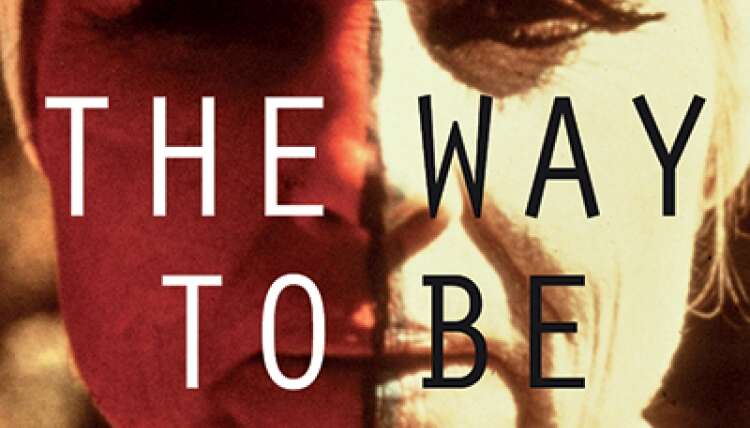
Reviewed by Maxamina Muro The Way to Be, Barbara T. Smith’s memoir, is a ride through the life of a woman born in the 1930s, married in the 1950s, who then emerges as a performance artist in the 1960s, when feminism and equal rights for women became more prominent political and legal movements. While these causes were rooted in practical…
Reviewed by Betty-Jo Tilley A car crash opens Deepti Kapoor’s novel, Age of Vice, the first of three sweeping sagas about organized crime in contemporary India. This prologue provides a metaphor for the story’s roadmap—a fast-paced and riveting collision course of deception, romance and ambition—and introduces the disparity between rich and poor in a world where only the wealthy win…
The story goes that Cain was too selfish to sacrifice one of his oxen and that was why he offered crops instead, built a pyre of apples and wheat sheaves pumpkins and ears of corn. Or maybe it was some other vegetable or fruit unknown to us cultivated out of existence due to its phallic shape or unpleasant smell. Perhaps…
Reviewed by Melinda Gordon Blum In November 2017, Claire Dederer’s Paris Review essay “What Do We Do with the Art of Monstrous Men” documented her personal, lifelong experience of grappling with the problem of separating the art from the artist, exploring whether this is something achievable or even necessary. Monsters is, in part, the book-length outgrowth of that piece. A…
Reviewed by Jennifer Schuberth While Chloé Cooper Jones’s Easy Beauty is a gripping memoir about parenting, disabilities, and figuring out what to do next, it is also a philosophical masterpiece, written in the tradition of those who see philosophy not as a dry academic subject but as a way of life. In prose that is gorgeous, concise, and often very…
Reviewed by Jeannine Burgdorf Erica Berry’s first book, Wolfish: Wolf, Self, and the Stories We Tell About Fear, casts a wide net, examining definitions of nature, the built environment, borders, nations, history and the self within the context of characterizations of wolves. Ambitious in scope and at times dense with references that can seem digressive, the book maintains Berry’s thesis…
By Karen A. Parker “There’s nothing new under the sun, but there are new suns.” These words from the late, great Octavia E. Butler open the New Suns anthology series, edited by the legendary Nisi Shawl. As a founder of the Carl Brandon Society, a Clarion West board member, and an award-winning speculative fiction author, they have fought for increased…
Ask writers from a marginalized community about their workshop experiences, and far too many can reply with stories of being stereotyped, exoticized, infantilized, or disregarded—by fellow workshop participants and instructors alike—for being queer, non-white, female, gender-nonconforming, disabled, neurodivergent, etc. Although more people have vocalized these concerns and requested more diverse creative writing faculties, budget cuts and hiring freezes sometimes hamper…
By Tamara MC For fans of Educated by Tara Westover, Maid by Stephanie Land, and Braiding Sweetgrass by Robin Wall Kimmerer, Michelle Dowd’s debut coming-of-age memoir Forager: Field Notes for Surviving a Family Cult contains echoes of all three, yet it is wholly unique unto itself. Dowd was born in the 1970s into a survivalist cult called the Field, governed by her grandfather, who was seen as…