
BY DIANA LOVE
Verge, Lidia Yuknavitch’s aptly-named new collection of short stories, is an exhilarating and disquieting experience. Like the verging border of its title, the collection is peopled by characters who live on the edges—of society, of safety, of sanity. The interests and subject matter of this collection upend normal boundaries and expectations. Outcasts and voiceless figures are placed center-stage. We are able to be a part of their experience, their pain, their rage, and their beauty.
 Though Yuknavitch has been writing short stories for most of her literary career, this is her first published book curating a collection of such stories. And they are wonderful stories, clearly in conversation with one another, including that handful which have been published previously. Indeed, readers familiar with Yuknavitch’s other work will recognize themes and topics in this collection which mirror those in her novels and nonfiction—the idea of giving voices to voiceless figures, a concern with war and its collateral damage, a concern with damage and with survival in all forms. Her widely-viewed 2016 TED Talk, On The Beauty of Being a Misfit, and her follow-up book The Misfit’s Manifesto, are celebrations of other voices. She has a vested and specific interest in the people and the places who do not sit at the center of the mainstream in any sense of that term, who live in the borders of things.

 Denfeld’s own experience as a homeless teen has led to an incredible life of advocacy, from her career as a public defender helping victims of trafficking, to her life as a foster mother of twenty years. Denfeld is no stranger to the hardships of abandoned children, and she cares for her characters as fiercely as she cares for those off the page who turn to her for aid.
 In a craft lecture, I once heard Garth Greenwell describe the mission of his writing as: to bring all the resources of literature to the queer body. Having endured so much hatred, who is more deserving of poetry? he asked, passing out a slim handout, three thin white sheets of paper, double-sided, stapled, and aching with words of want from Gustave Flaubert, D.H. Lawrence, James Baldwin, Kathy Acker, and Mary McCarthy. Because sex, Greenwell said, is as near to and as far as we go from authenticity.
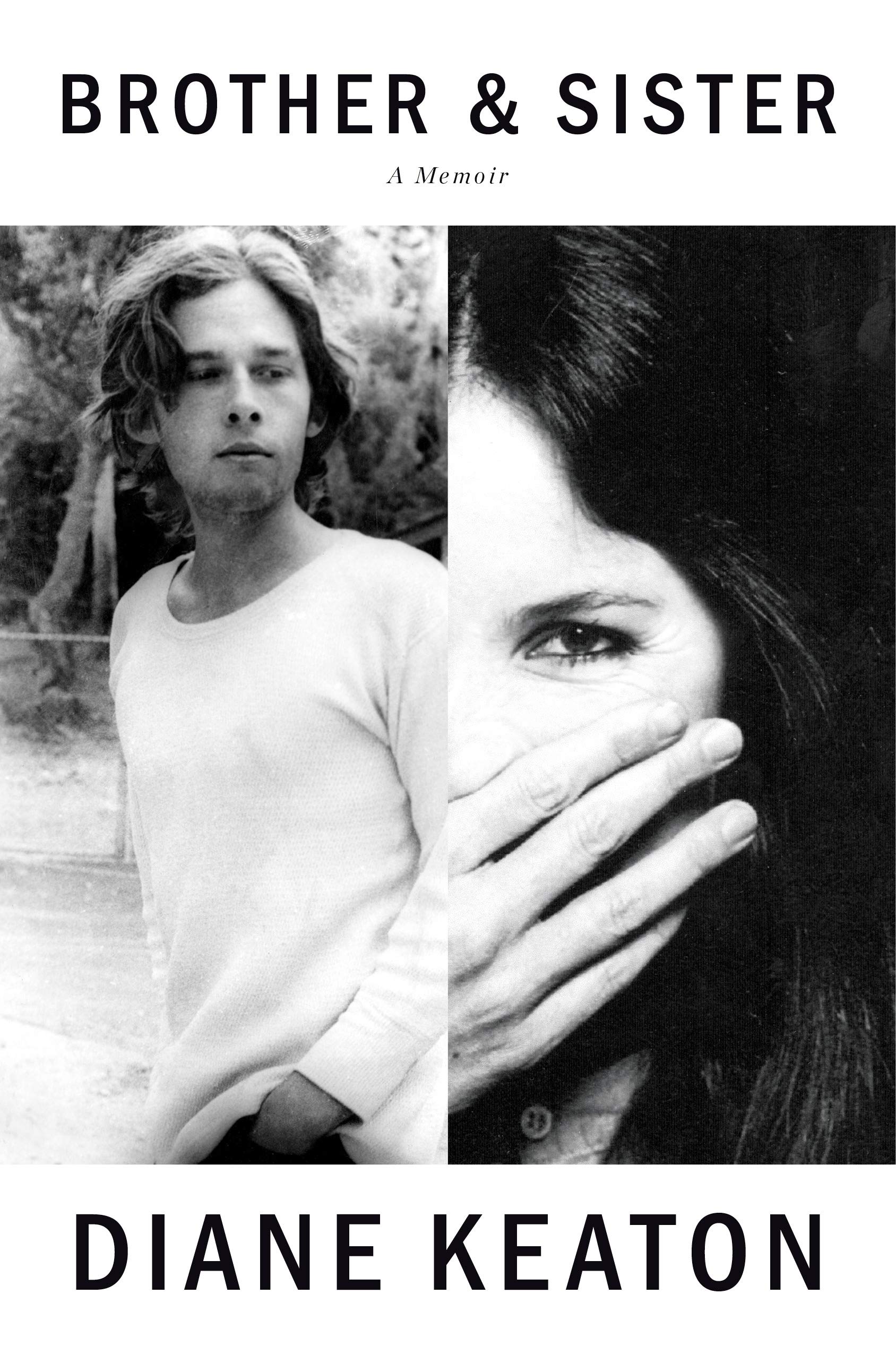
 Diane Keaton and her younger brother, Randy grew up in the Los Angeles suburbs in the 1950s, with parents determined to live the American dream. Their civil engineer father, Jack Hall, worked diligently to support his family. Their homemaker mother, Dorothy Hall, documented their days with her diaries and cameras. The family grew and prospered. Yet Randy failed to thrive emotionally; his childhood was not a happy one, and his inability to cope with the world around him became more and more apparent as the years passed.
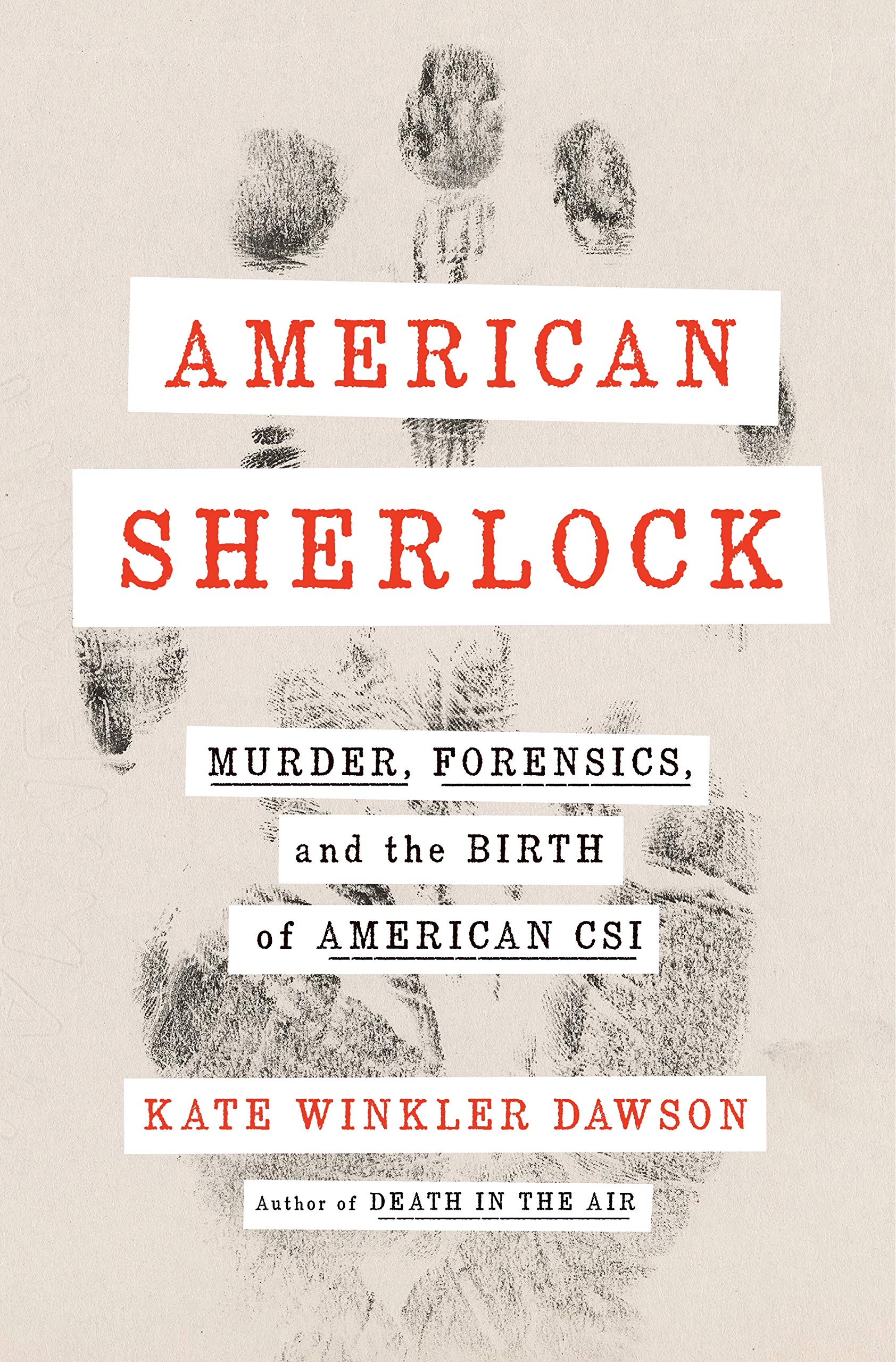
 At first blush, American Sherlock is a biography about Edward Oscar Heinrich, a man Dawson identifies in the prologue as “a forensic scientist and criminalist from the first half of the twentieth century, a man who changed how crimes were solved before forensics became the foundation of most criminal cases – America’s Sherlock Holmes.”
 Steph Cha is the author of four novels including the Juniper Song mystery series (Follow Her Home, Beware Beware, Dead Soon Enough) and most recently, Your House Will Pay,
 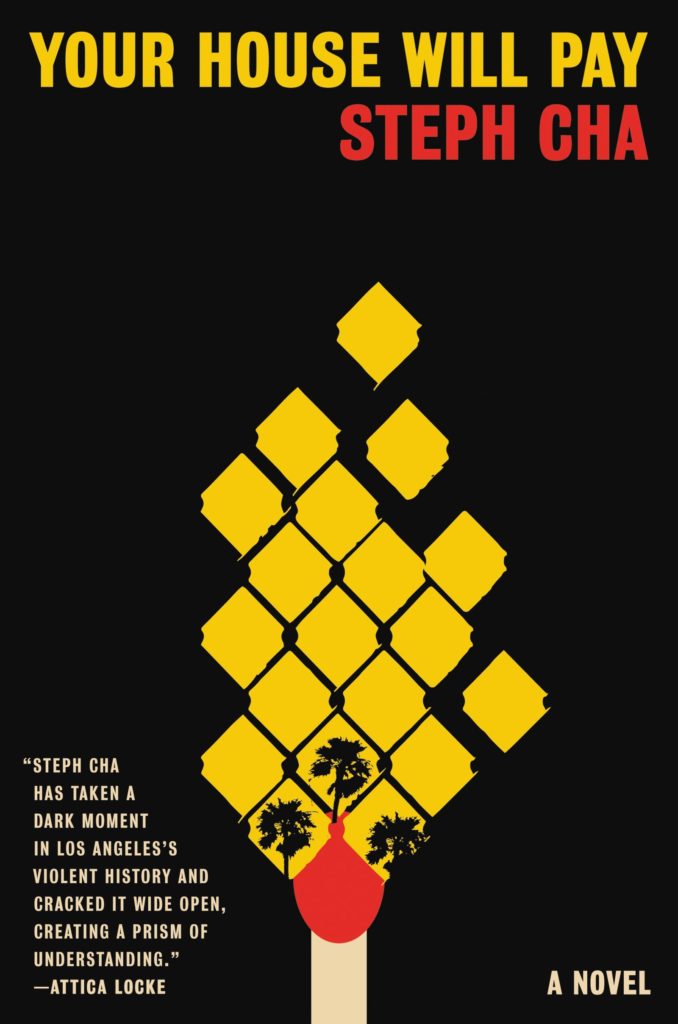 a highly-anticipated and well-reviewed book about the aftermath of the 1992 L.A. riots and the relationship between the Korean and African-American communities. Steph Cha spoke about the narrative possibilities of crime fiction at the UC Riverside Low-Res MFA December residency. I sat down with her afterward to talk about Los Angeles, Palmdale, writing different races, and a little about food.
