By Jackie DesForges
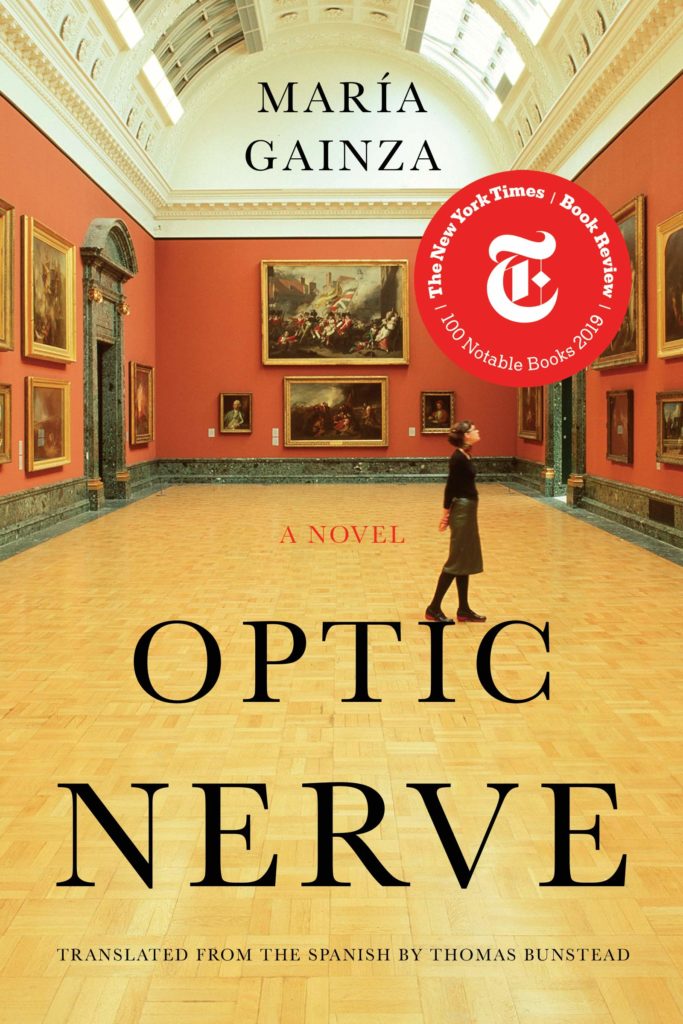 Several years ago I visited the Picasso Museum in Malaga, Spain. At the time, each gallery was arranged by theme rather than chronology, so that as you made your way through, you weren’t seeing Picasso’s works in the order they were —created—you would see a ceramic he created in the 1930s next to a drawing created at the end of his life next to a painting he made in the 1920s, all seemingly random until you realized that they focused on the same theme or subject. María Gainza’s debut novel Optic Nerve reminded me of this museum from the very first page. The story doesn’t proceed chronologically through the narrator’s life, but rather thematically. Beginning each chapter feels like stepping into a new gallery, perhaps especially because the book deals directly with the history of visual art.

 The brain often holds onto distinct and unexpected images and memories at the time of traumatic events. These memories may not make sense on their own, and they may seem disconnected from what actually happened.
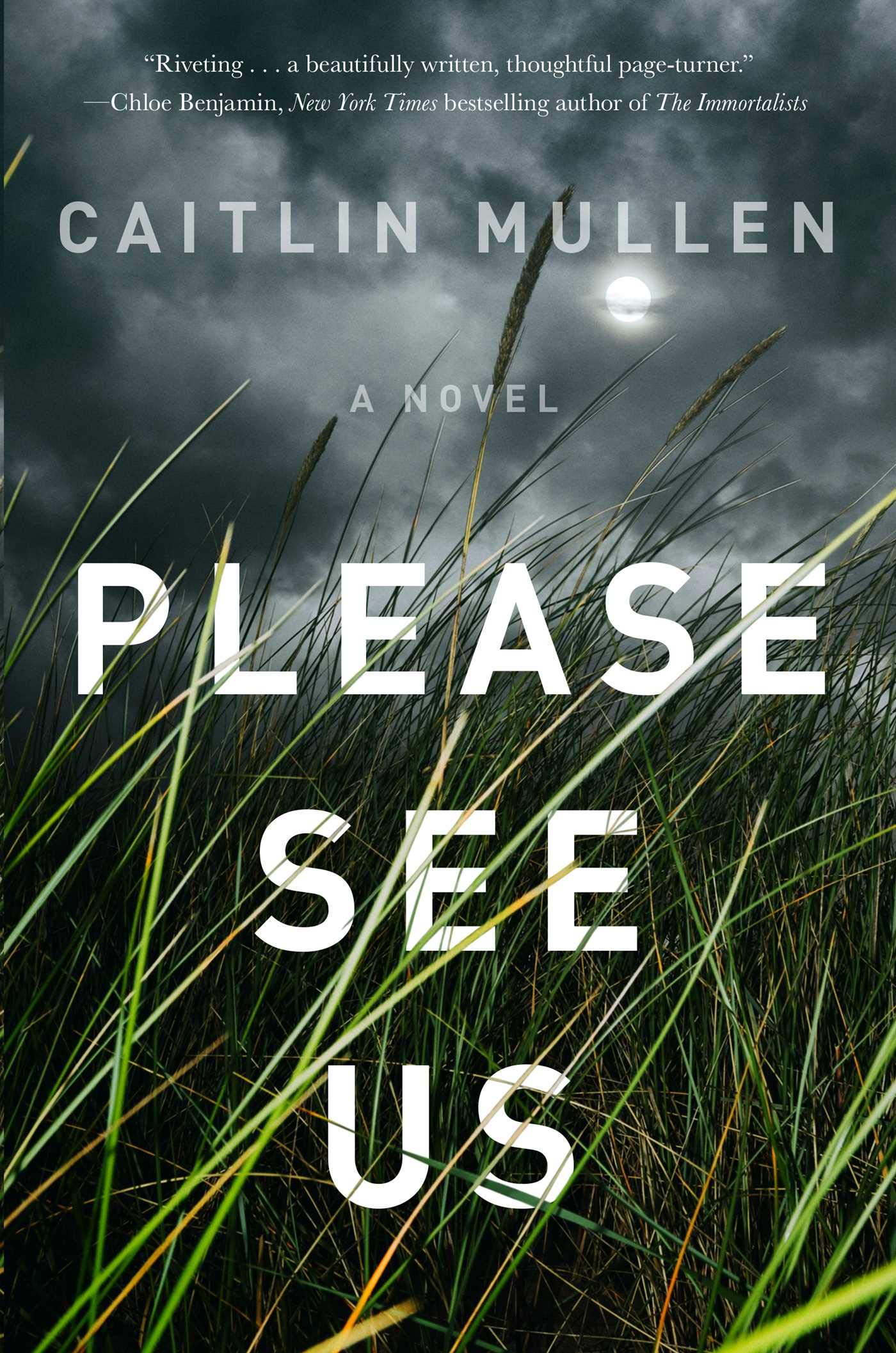
 Caitlin Mullen’s debut novel Please See Us takes genre norms, chews them up, and spits them out into a gripping literary thriller. This ambitious work delves into a myriad of societal issues—trafficking, bullying, motherhood, drug abuse, mental health, inadequate foster systems, and misogyny.

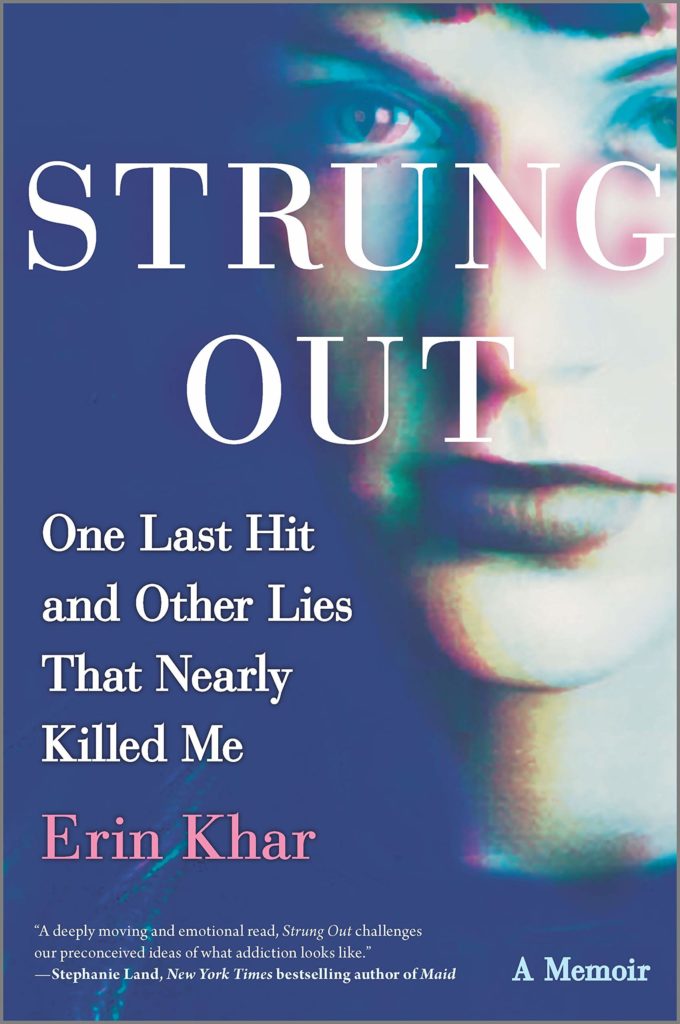 Khar’s experience as an advice columnist for Ravishly is well-suited to turn Strung Out: One Last Hit and Other Lies That Nearly Killed Me from what might otherwise be a distressing year-by-year account of addiction into a story that develops context and empathy toward mental illness and drug abuse. Khar is forthright in her opinion about our inability to understand addiction: “The stigma associated with opioids, with heroin, with “being a junkie,” prevents people from reaching out. And that stigma is killing us. Americans are stuck in a spiral of shame, and that shame drives the vicious cycle of relapse that many drug users get caught in.” In a culture that tends to conflate pity and prejudice toward adversity, this could be a helpful guide for the uninitiated in understanding the causes of drug and alcohol dependence.