 By eli ryder
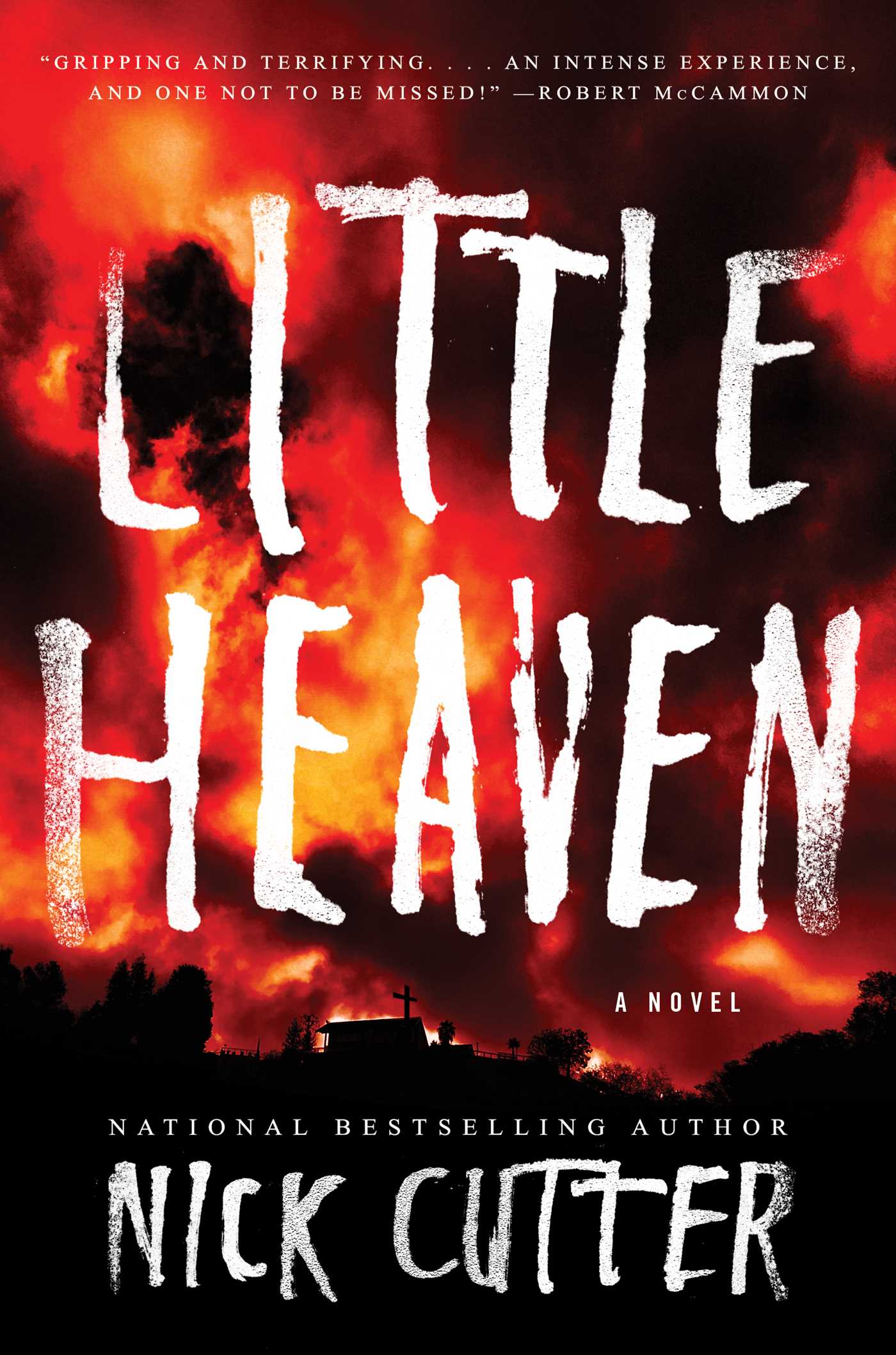
New Mexico, 1965. Three seasoned killers converge on each other, then on a cult leader and a consuming force of darkness that threatens to overtake the world. Fresh, unflinching horror ensues. This is Nick Cutter’s Little Heaven. New Mexico is the perfect sparse setting for this modern take on classic westerns; outlaws, revenge, a maiden in distress, and a reverend that makes the most unhinged Pentecostal tongue-speaker feel perfectly sane all combine in a series of story beats Louis L’Amour would have found comfortably familiar, if he could stomach the visceral punches Cutter weaves throughout, a la Cormac McCarthy. Little Heaven’s New Mexico has “scratch-ass” towns with “straggle-ass” streets in which hired guns ask their targets, “Are you square with your creator?” before dispatching them to what lies beyond.
 Wild, beautiful, bawdy, and vivid, C. W. Cannon’s new novel,
 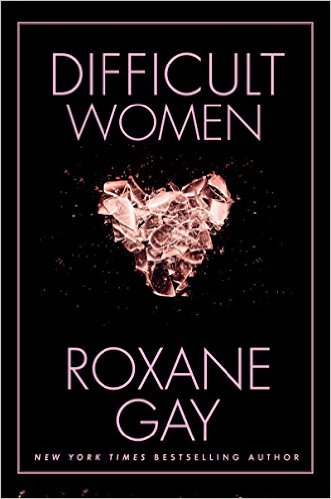 Roxane Gay’s Difficult Women is a relentless and thrilling read. As in much of Gay’s other work, particularly her novel An Untamed State, there is no looking away from brutality, yet moments of grace, beauty, and humor serve as striking counterparts to the more unsettling passages.
 Hope is not the typical remedy that doctors prescribe for medical illnesses, yet it is exactly what neurosurgeon Paul Kalanithi turns to when he is confronted with stage IV lung cancer. But what good is hope when all other scientific evidence points to an imminent end? Kalanithi’s memoir When Breath Becomes Air is about learning how to face death head on, while examining what it means to be alive. His definition of hope is not one that is unrealistic, or based on some miraculous intervention, but the very real possibility of leading a fulfilled life despite the amount of time one has left.