By Gina Frangello
 The versatile writer and former actress Rachel DeWoskin—a member of my Chicago writing group since we were set up on a “blind friendship date” by our mutual close friend Emily Rapp Black—was born in Kyoto and raised in Ann Arbor, Michigan. After studying English and Chinese at Columbia University, DeWoskin moved to Beijing to work as a public-relations consultant and ended up all but accidentally becoming a Chinese TV star and sex symbol on the blockbuster nighttime soap opera Foreign Babes in Beijing, which was watched by approximately 600 million viewers. Following this heady and surreal experience, DeWoskin returned to the United States in 1999 and returned to her first love—literature—earning a master’s degree in poetry from Boston University. Her memoir, Foreign Babes in Beijing: Behind the Scenes of a New China, was published by W.W. Norton in 2005; Paramount Pictures purchased film rights and the project is currently in production. DeWoskin has since become the author of five novels: Big Girl Small (FSG 2011) Repeat After Me (Overlook 2009), Blind (Penguin 2014), Some Day We Will Fly (Viking 2019) and Banshee (Dottir 2019). DeWoskin, whose mannerisms are gracious and intense in equal measure, is, in addition to her writing, a devoted mother of two, married to the playwright Zayd Dohrn, a morning exerciser, a fierce friend, and the core creative writing faculty at the prestigious University of Chicago. Who better to dissect the complications and contradictions of a woman, like Banshee’s Samantha Baxter, who “has it all” than DeWoskin, who is both extraordinarily productive while leading an intimate family life?
It was my pleasure to discuss Banshee with Rachel over an email exchange 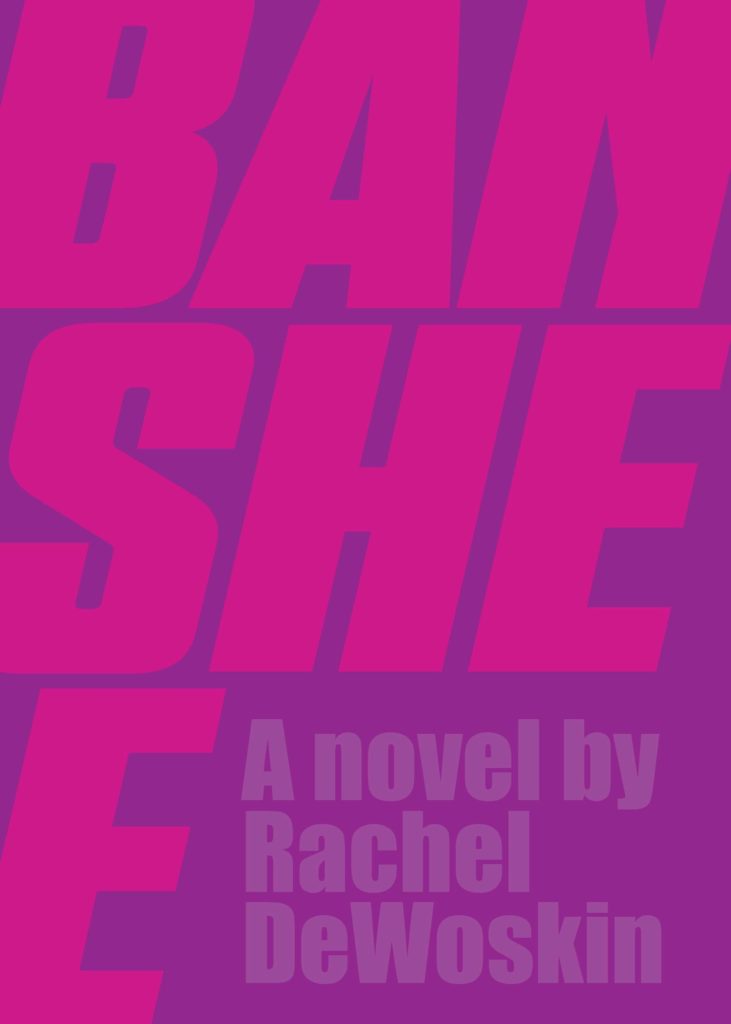 conducted while we were both traveling like maniacs over the summer. Further, as a breast cancer survivor myself, the publication of Banshee feels watershed to me. Transcending facile “sick lit” portrayals of virtuous heroines and “feminist outlaw” labels that eschew serious examinations of women’s own culpability, DeWoskin presents instead a ferocious, lyrical, highly skilled tightrope walk of one woman’s simultaneous emotional disintegration and sexual awakening in the face of a dehumanizing medical industrial complex and a lifetime of seeing male colleagues “getting away” with behavior she would never have considered prior to staring her mortality in the face. What results is one of the most complex, morally ambiguous and intimate stories of body and women’s (still) societally sanctioned roles I have read in recent years. It was my great honor to read and blurb Banshee prior to its publication, and it’s even more exciting to share my conversation with Rachel DeWoskin with TCR readers.
–Gina Frangello
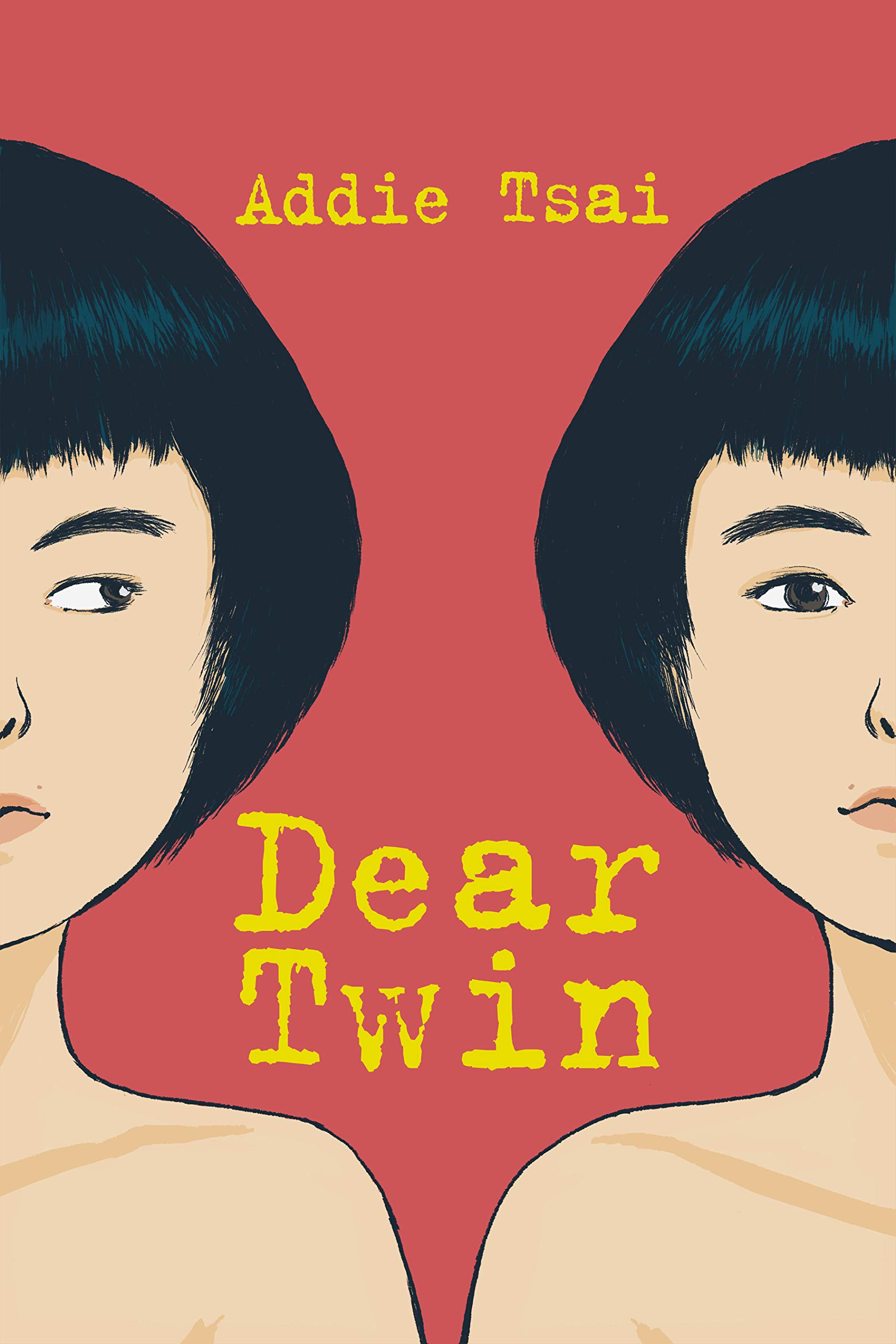
 Are you Asian? Queer? Mixed race? A twin? No? Then Addie Tsai’s debut novel Dear Twin isn’t for you—emphasis intentional.


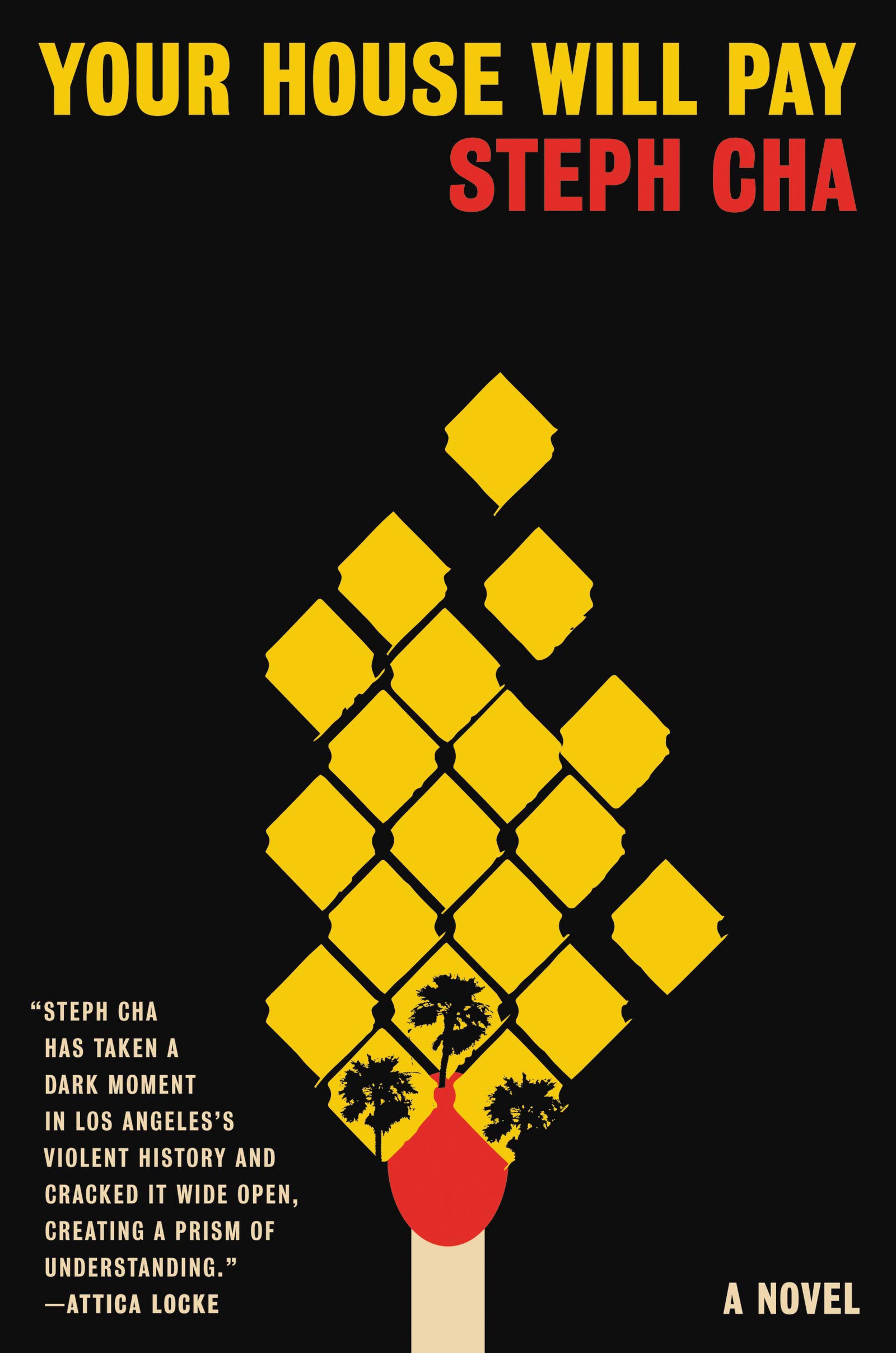
 Ripples from the past resurface in Steph Cha’s new novel, Your House Will Pay.


 “How we slice the skin: Carefully, that’s a given.” So opens Mostly Dead Things, Kristen Arnett’s debut novel about Jessa-Lynn Morton, a grieving taxidermist living out a less-than-satisfying life with her dysfunctional extended family in Florida. I’m a sucker for a killer opening line, a killer opening scene, and I knew right away that I was in for something special. As the novel opens, we watch as narrator Jessa-Lynn Morton recalls her father teaching her taxidermy in his workshop. The scene is vivid and engaging. Right away, we begin to see what Jessa has been willing to do, ignore, and give up, all in an attempt to preserve or create the life she imagines for herself.
 Since the publication and instant success of her debut nonfiction book, Three Women, Lisa Taddeo has stated that she set out to tell a story about human desire. She spent eight years researching and writing the book, and as the years progressed, the story narrowed: she went from writing about human desire to writing about female desire. She went from writing about hundreds of women to writing about dozens, and then less than a handful, and then, finally, three. She went from denying any requests for anonymity to shielding the identities of most people featured in the final book. The resulting story feels, at first glance, too specific to be universal: three women, living in small American towns and entangled in various phases of heterosexual relationships.