By Collin Mitchell

Breaking the mold is a difficult thing to do and no one captures the difficulty of this hardship better than Lillian Breaker, the consciously wayward protagonist in Kevin Wilson’s new novel, Nothing to See Here.
As a teenager, Lillian is ambitious enough to get into the exclusive Iron Mountain, “a fancy girl’s school hidden on a mountain in the middle of nowhere,” but at twenty-eight she’s living in her mom’s attic, working two grocery store jobs, and smoking a lot of weed. So, what’s her problem? Her best (and rich and beautiful and scheming) friend, Madison Billings. If this novel isn’t about fate and class, family, the haves and the have-nots, then it’s about friendship and its exploitive little schemes.


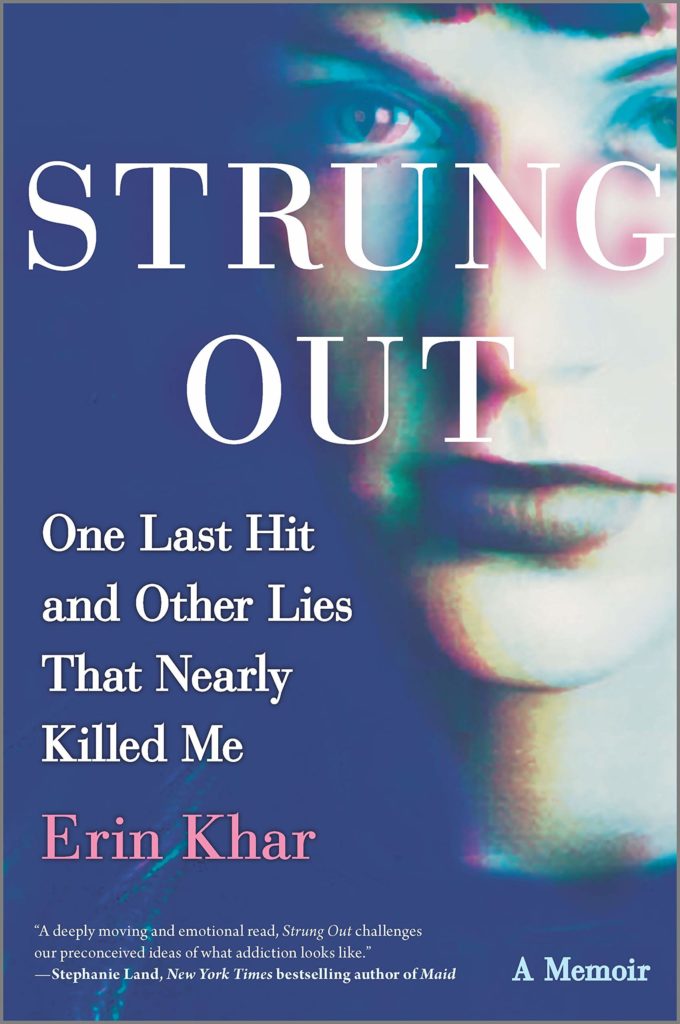 Khar’s experience as an advice columnist for Ravishly is well-suited to turn Strung Out: One Last Hit and Other Lies That Nearly Killed Me from what might otherwise be a distressing year-by-year account of addiction into a story that develops context and empathy toward mental illness and drug abuse. Khar is forthright in her opinion about our inability to understand addiction: “The stigma associated with opioids, with heroin, with “being a junkie,” prevents people from reaching out. And that stigma is killing us. Americans are stuck in a spiral of shame, and that shame drives the vicious cycle of relapse that many drug users get caught in.” In a culture that tends to conflate pity and prejudice toward adversity, this could be a helpful guide for the uninitiated in understanding the causes of drug and alcohol dependence.
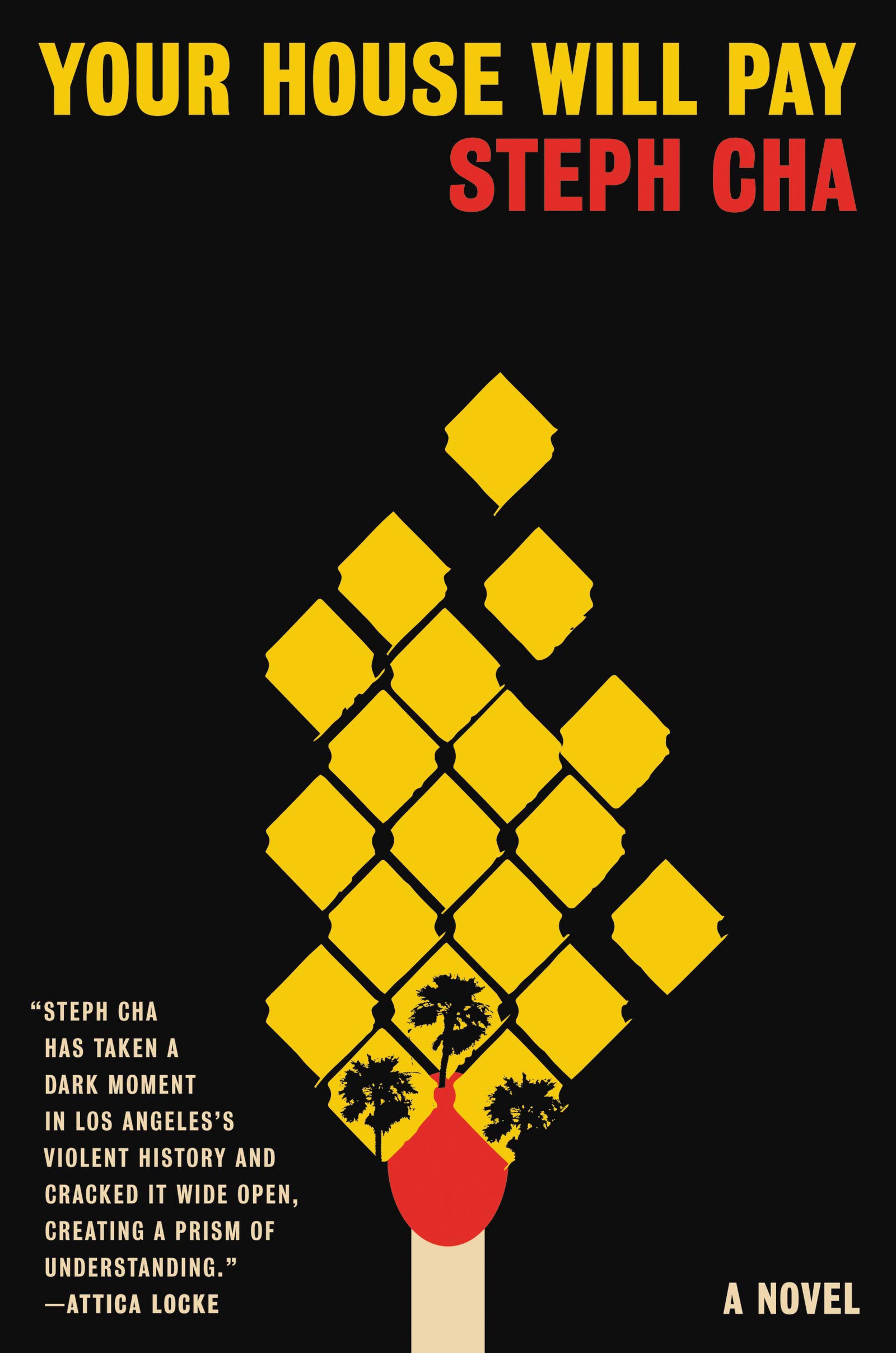
 Ripples from the past resurface in Steph Cha’s new novel, Your House Will Pay.