BY MATT ELLIS
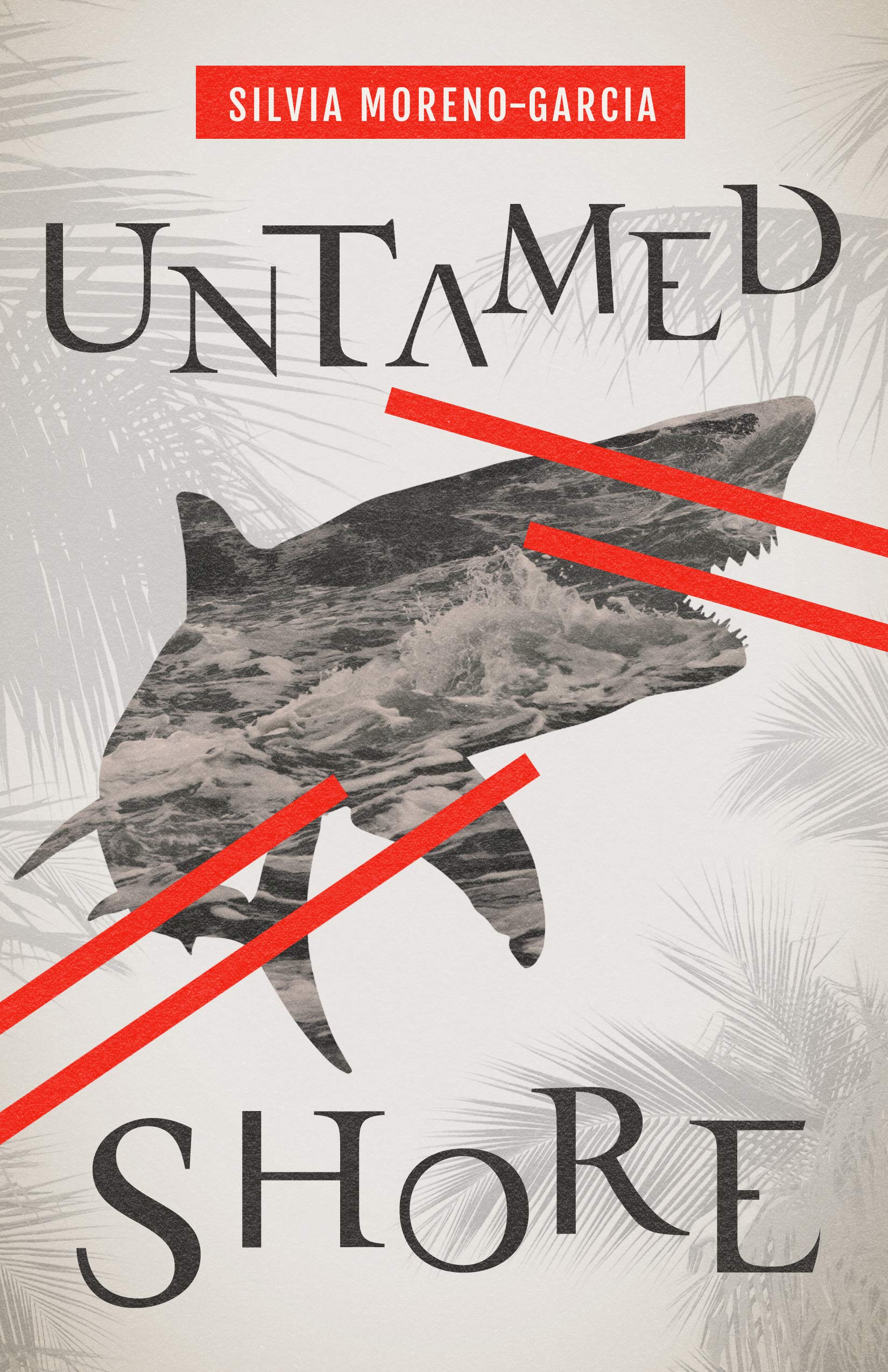
In a genre stuffed to the gills with hard-boiled gumshoes and gangsters, serial killers and behavioral shrinks, narcos and narcs, Silvia Moreno-Garcia has cast aside her acclaimed fantasy bona fides to challenge reader expectations by delivering a crime thriller with literary undercurrents.
Untamed Shore is a coming of age story about an eighteen-year-old underemployed guide named Viridiana, who has managed to learn several foreign languages but is uncapable of escaping her isolated Baja California fishing village of Desengaño, a town literally called disillusionment. Rudderless, she feels the growing pressure to follow the Desengañera –tradition—marry young and become the subservient wife.

 Though Yuknavitch has been writing short stories for most of her literary career, this is her first published book curating a collection of such stories. And they are wonderful stories, clearly in conversation with one another, including that handful which have been published previously. Indeed, readers familiar with Yuknavitch’s other work will recognize themes and topics in this collection which mirror those in her novels and nonfiction—the idea of giving voices to voiceless figures, a concern with war and its collateral damage, a concern with damage and with survival in all forms. Her widely-viewed 2016 TED Talk, On The Beauty of Being a Misfit, and her follow-up book The Misfit’s Manifesto, are celebrations of other voices. She has a vested and specific interest in the people and the places who do not sit at the center of the mainstream in any sense of that term, who live in the borders of things.
 In a craft lecture, I once heard Garth Greenwell describe the mission of his writing as: to bring all the resources of literature to the queer body. Having endured so much hatred, who is more deserving of poetry? he asked, passing out a slim handout, three thin white sheets of paper, double-sided, stapled, and aching with words of want from Gustave Flaubert, D.H. Lawrence, James Baldwin, Kathy Acker, and Mary McCarthy. Because sex, Greenwell said, is as near to and as far as we go from authenticity.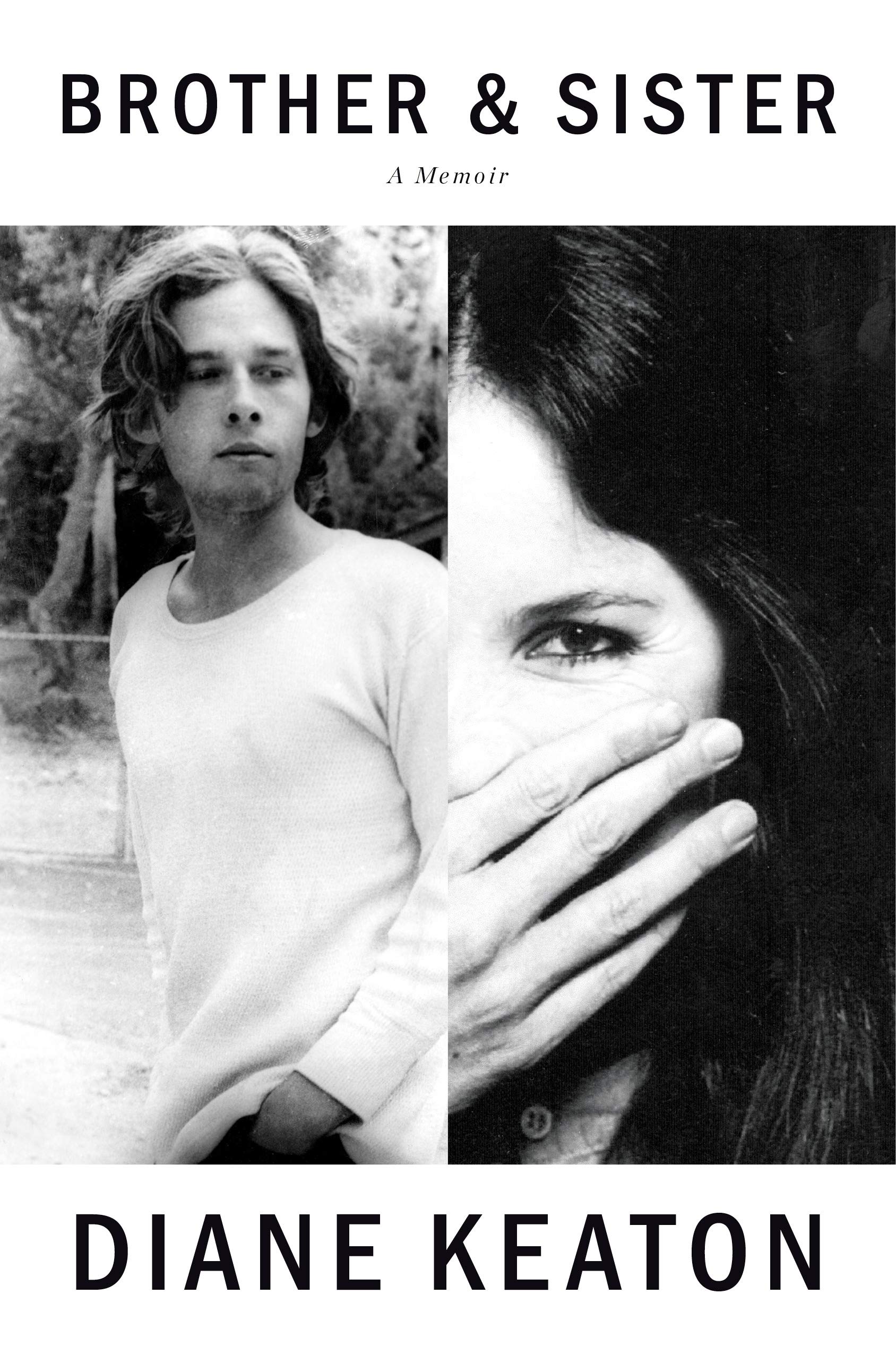
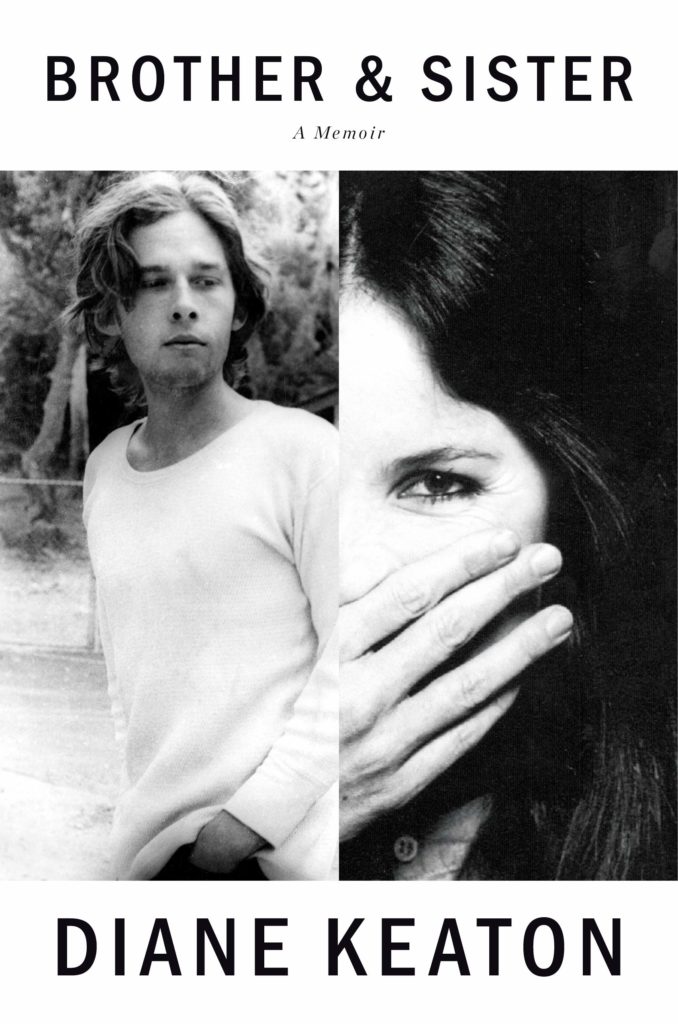 Diane Keaton and her younger brother, Randy grew up in the Los Angeles suburbs in the 1950s, with parents determined to live the American dream. Their civil engineer father, Jack Hall, worked diligently to support his family. Their homemaker mother, Dorothy Hall, documented their days with her diaries and cameras. The family grew and prospered. Yet Randy failed to thrive emotionally; his childhood was not a happy one, and his inability to cope with the world around him became more and more apparent as the years passed.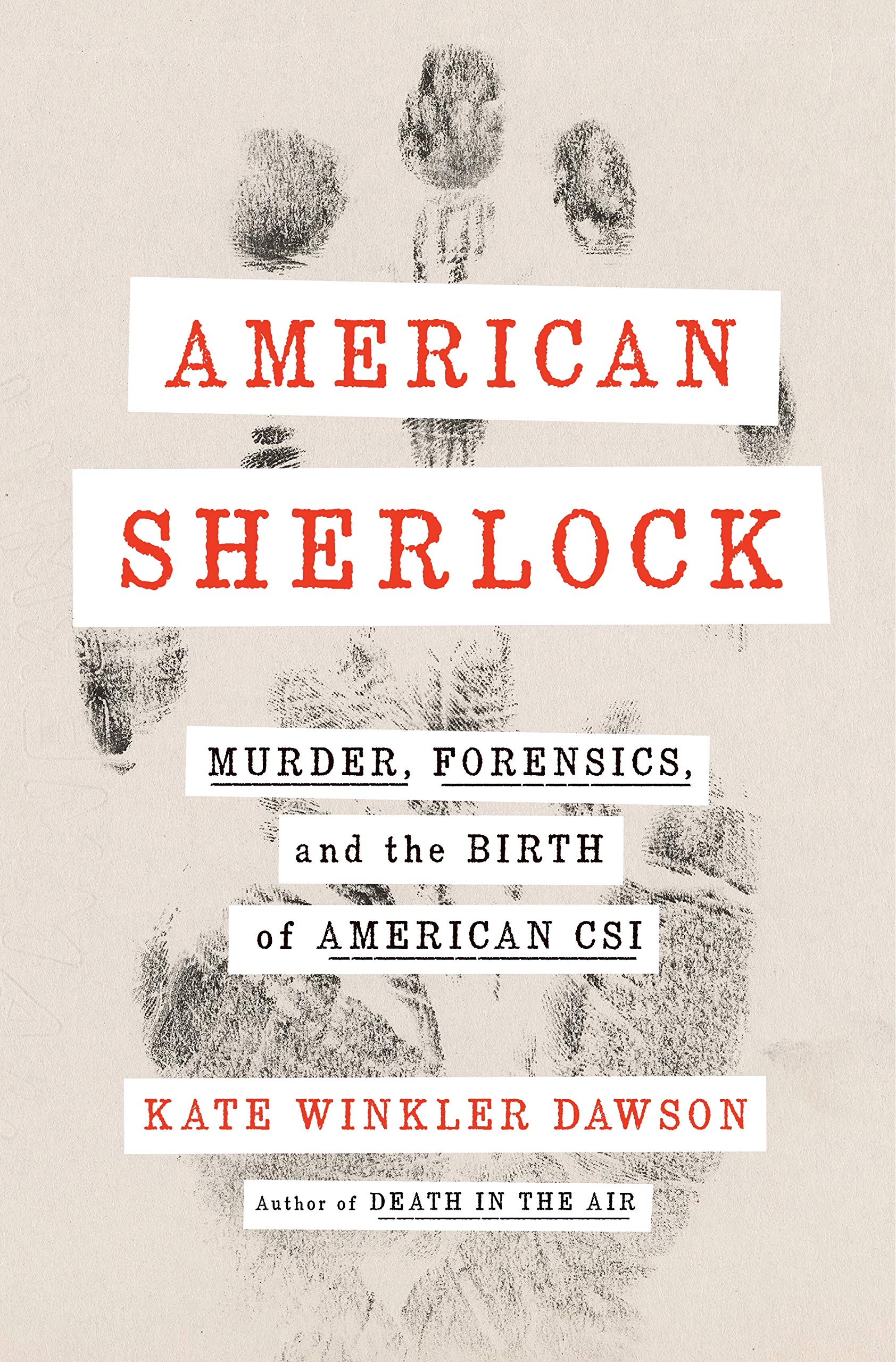
 At first blush, American Sherlock is a biography about Edward Oscar Heinrich, a man Dawson identifies in the prologue as “a forensic scientist and criminalist from the first half of the twentieth century, a man who changed how crimes were solved before forensics became the foundation of most criminal cases – America’s Sherlock Holmes.”
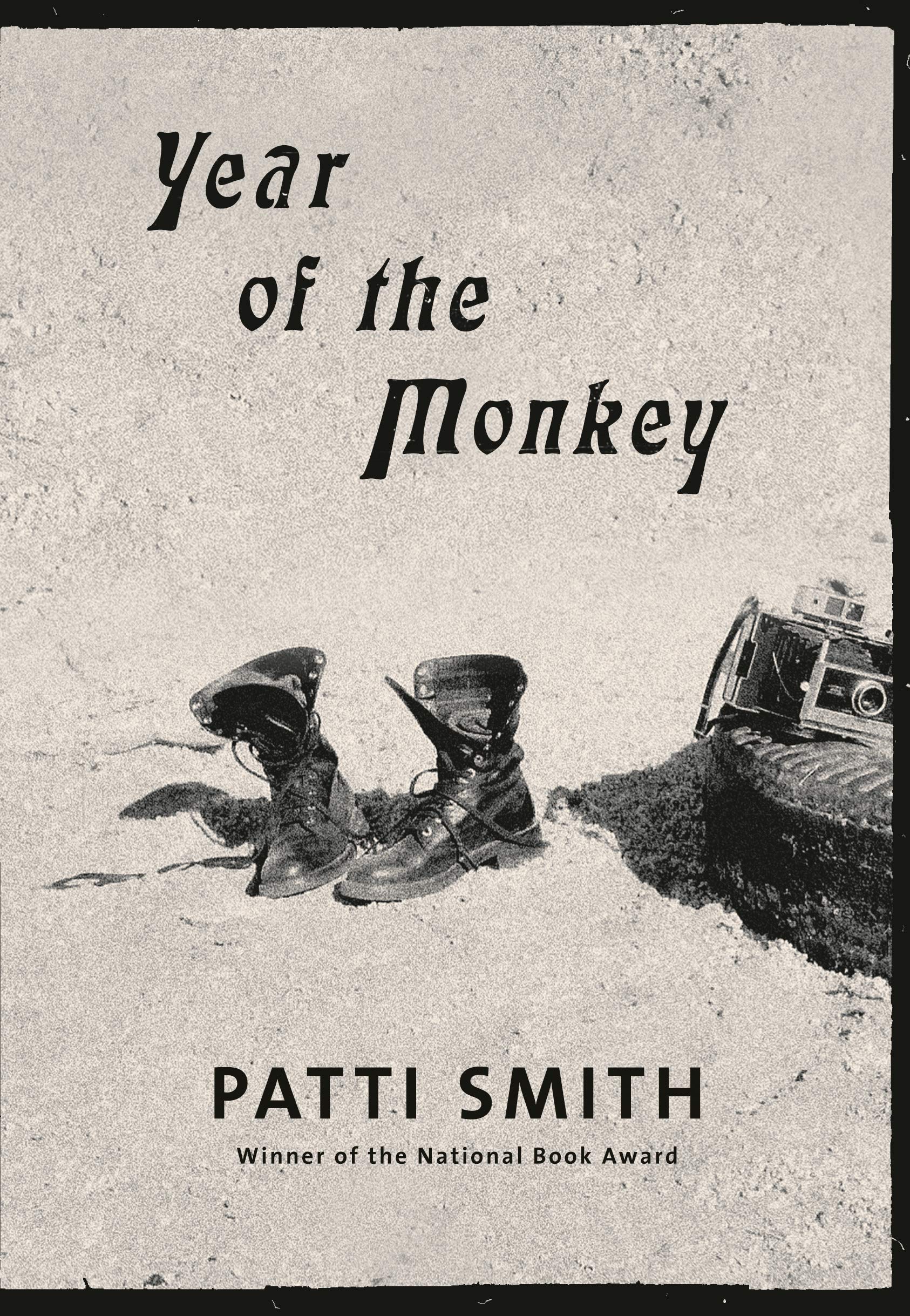
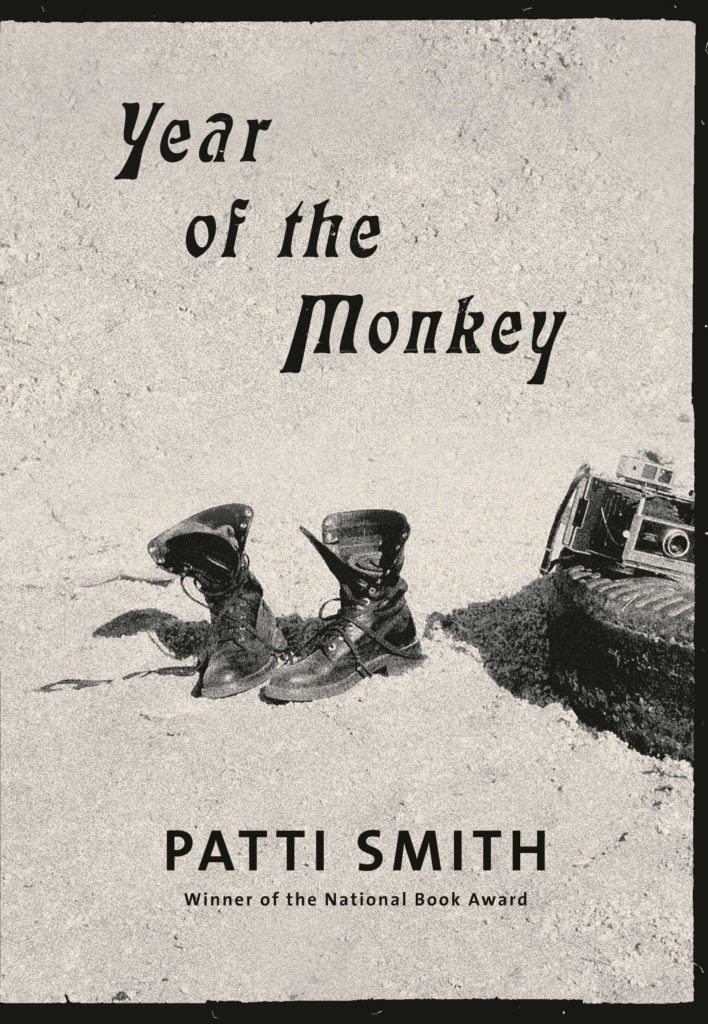 In the first days and weeks of 2020, the season for past reflections and future resolutions is upon us—if you’re into that sort of thing. In Patti Smith’s newest memoir Year of the Monkey, the writer, photographer, and musician takes a surreal look at her life in 2016, the year of the trickster monkey in Chinese zodiac. But Smith doesn’t seem to be a fan of New Year’s resolutions. Instead, in a tumultuous political and personal landscape, Smith is beautifully open to the lessons, connections, and hidden meanings within dreams that the year offers her. Her writing is a surreal mix of fiction and nonfiction as she contemplates what is real and attempts to absorb the absurd truths of living and dying.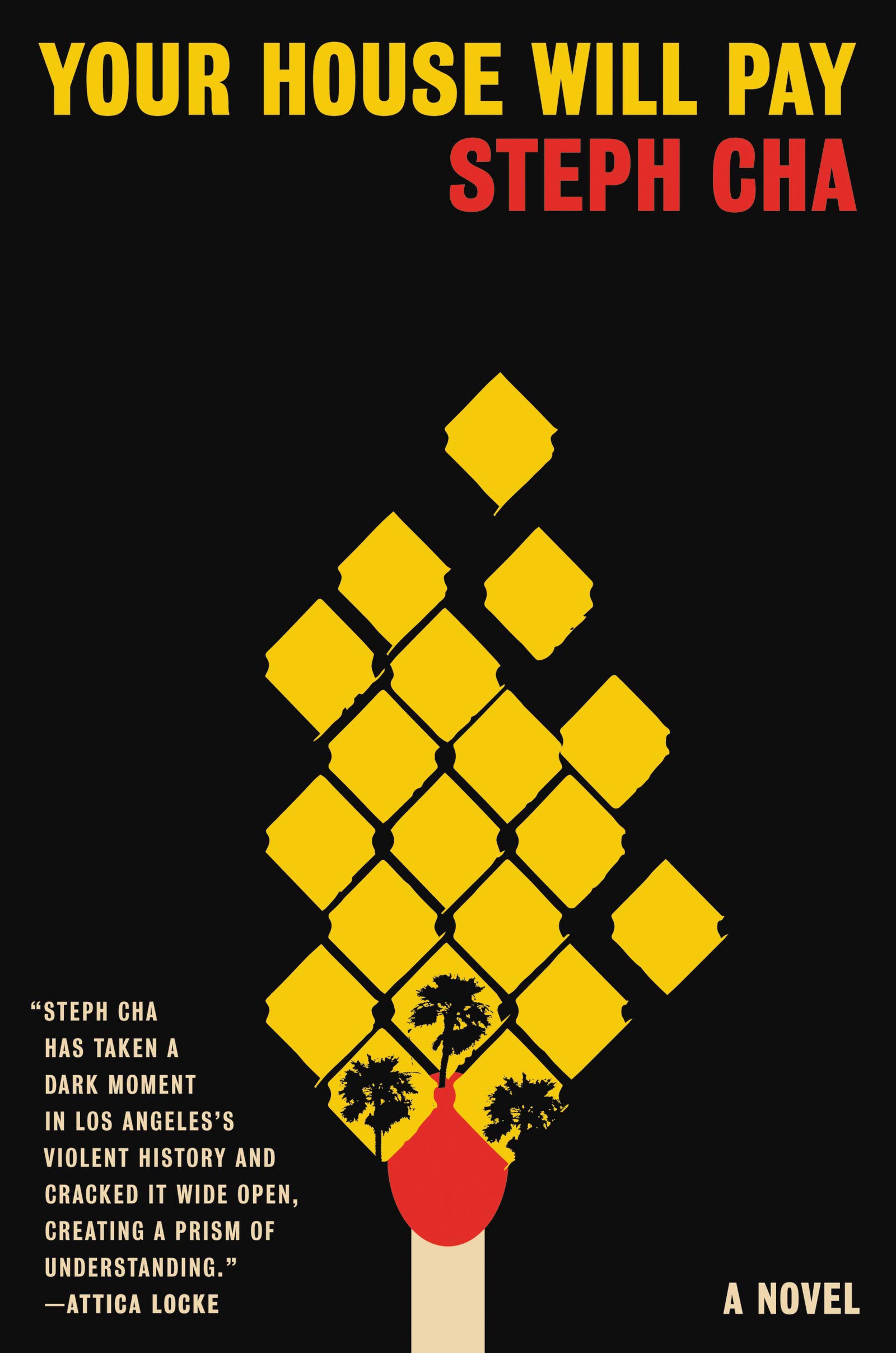
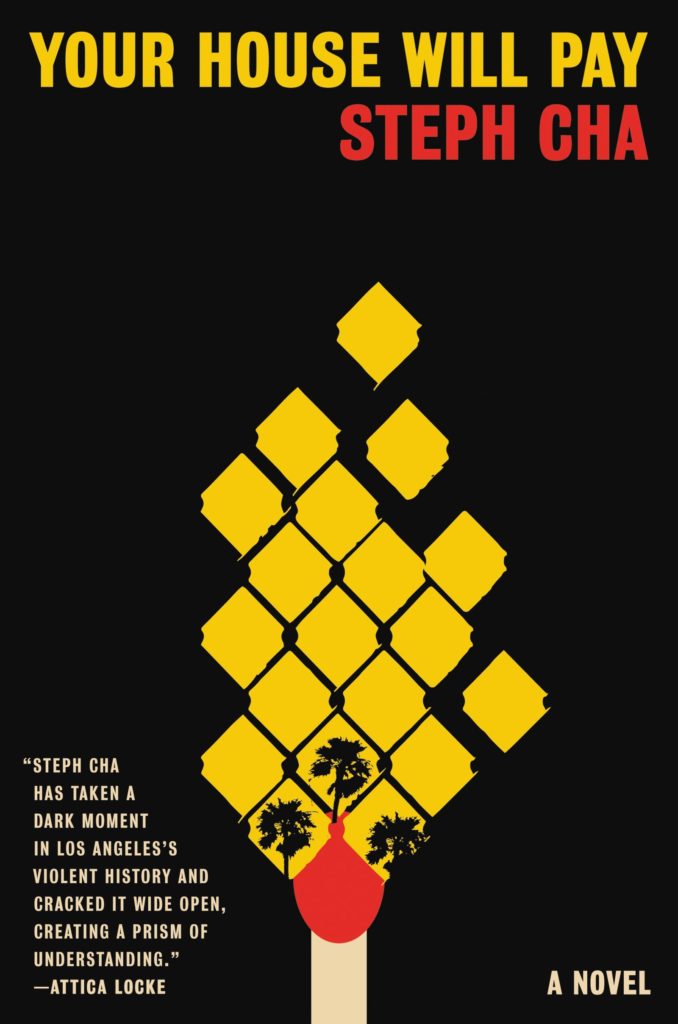 Ripples from the past resurface in Steph Cha’s new novel, Your House Will Pay.


 Karen Stefano’s What A Body Remembers is a timely and moving illustration of how our bodies instinctively tie our senses and memories together. It is a compelling book that reads as much like true crime as it does memoir, while delving into heady topics like trauma, PTSD, and victim blaming. Stefano manages to approach these subjects with a sensitivity that invites the reader to a deeper understanding of the after-effects of trauma while evoking empathy over pity.