BY LAURIE ROCKENBECK
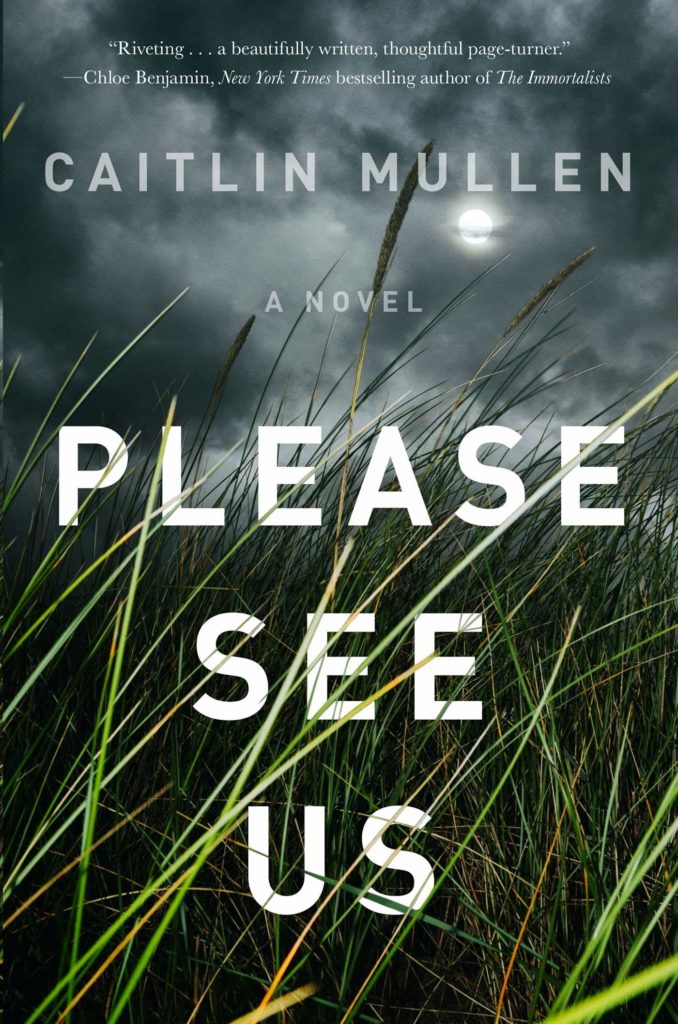 Caitlin Mullen’s debut novel Please See Us takes genre norms, chews them up, and spits them out into a gripping literary thriller. This ambitious work delves into a myriad of societal issues—trafficking, bullying, motherhood, drug abuse, mental health, inadequate foster systems, and misogyny.
In the prologue, we are introduced to two nameless women lying together as described by a distant omniscient narrator. If this were a movie, it would begin with a long shot of an airplane flying an advertising banner low over a decrepit Atlantic City. The camera would leave the plane as it swoops around to the back of a grungy pay-by-the-hour hotel and focus on the two women who are “laid out like tallies in the stretch of marsh just behind the Sunset Motel.”




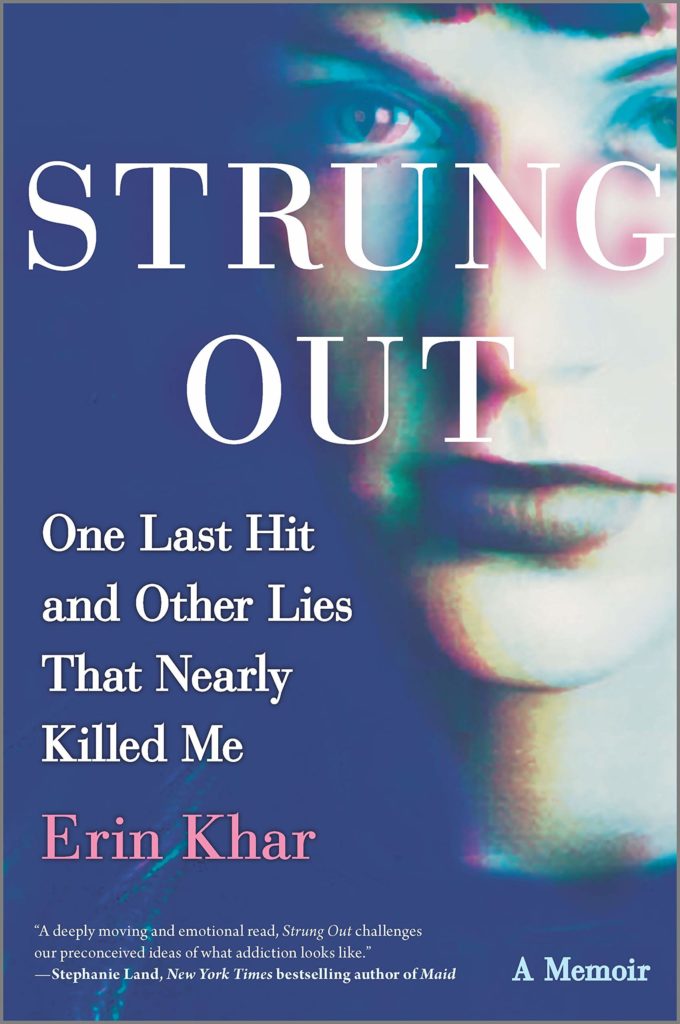 Khar’s experience as an advice columnist for Ravishly is well-suited to turn Strung Out: One Last Hit and Other Lies That Nearly Killed Me from what might otherwise be a distressing year-by-year account of addiction into a story that develops context and empathy toward mental illness and drug abuse. Khar is forthright in her opinion about our inability to understand addiction: “The stigma associated with opioids, with heroin, with “being a junkie,” prevents people from reaching out. And that stigma is killing us. Americans are stuck in a spiral of shame, and that shame drives the vicious cycle of relapse that many drug users get caught in.” In a culture that tends to conflate pity and prejudice toward adversity, this could be a helpful guide for the uninitiated in understanding the causes of drug and alcohol dependence.