by Leanne Phillips

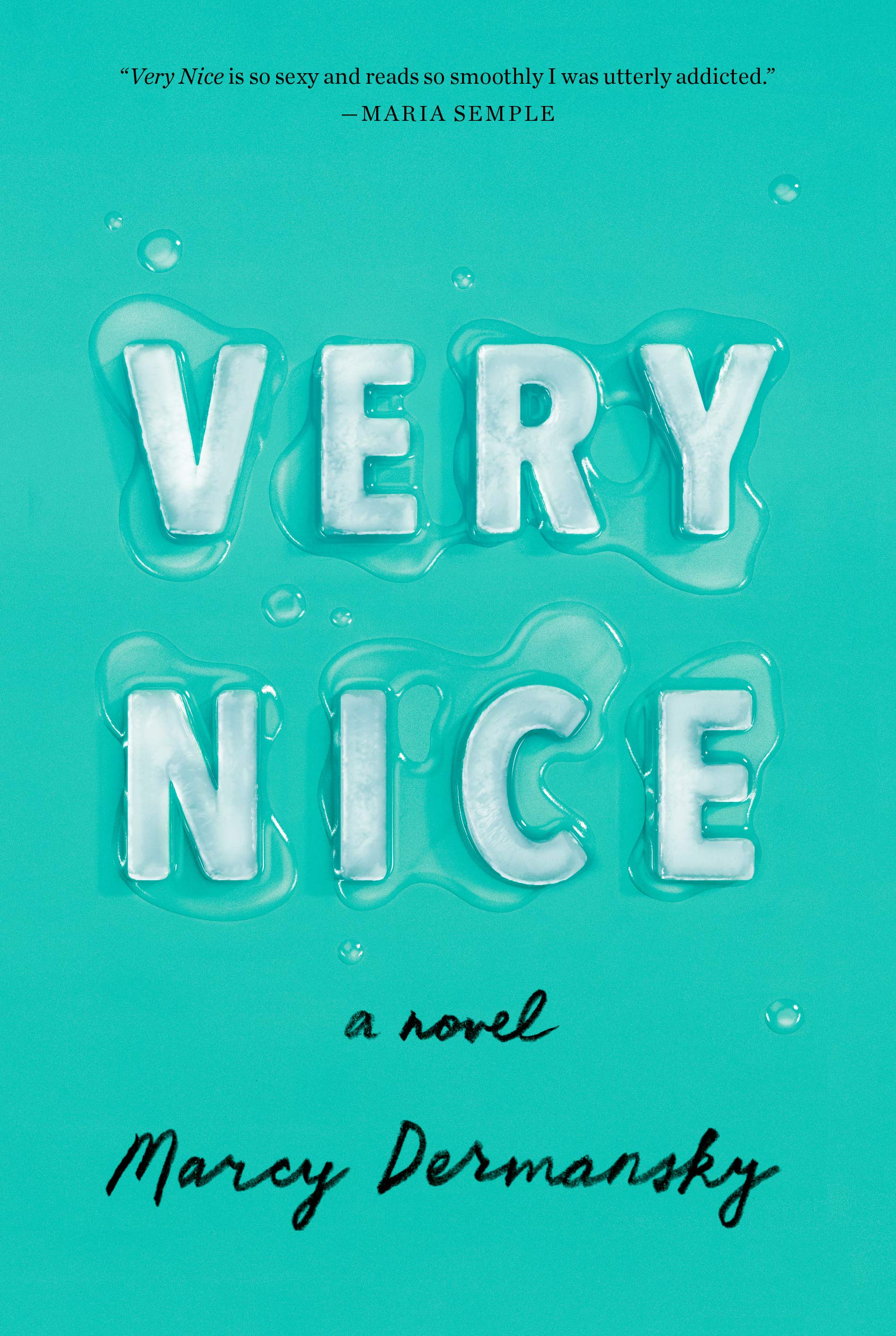
Marcy Dermansky’s new novel, Very Nice, starts out with a simple enough premise. Nineteen-year-old Rachel has a crush on her creative writing professor, Zahid Azzam, a one-hit wonder of a novelist who has been skating on the success of his only book for years. When Zahid impulsively confides to Rachel that he’s had a bad day, she impulsively kisses him. But the plot gains in complexity from there. Anyone who’s seen The Wife knows that crushes on creative writing professors don’t end well, and there are red flags that Rachel chooses to ignore. Rachel’s passion for Zahid seems lukewarm at best, and Rachel is a bit taken aback when he calls their kiss “very nice”—during the semester, he had crossed out all of the verys in her short story.
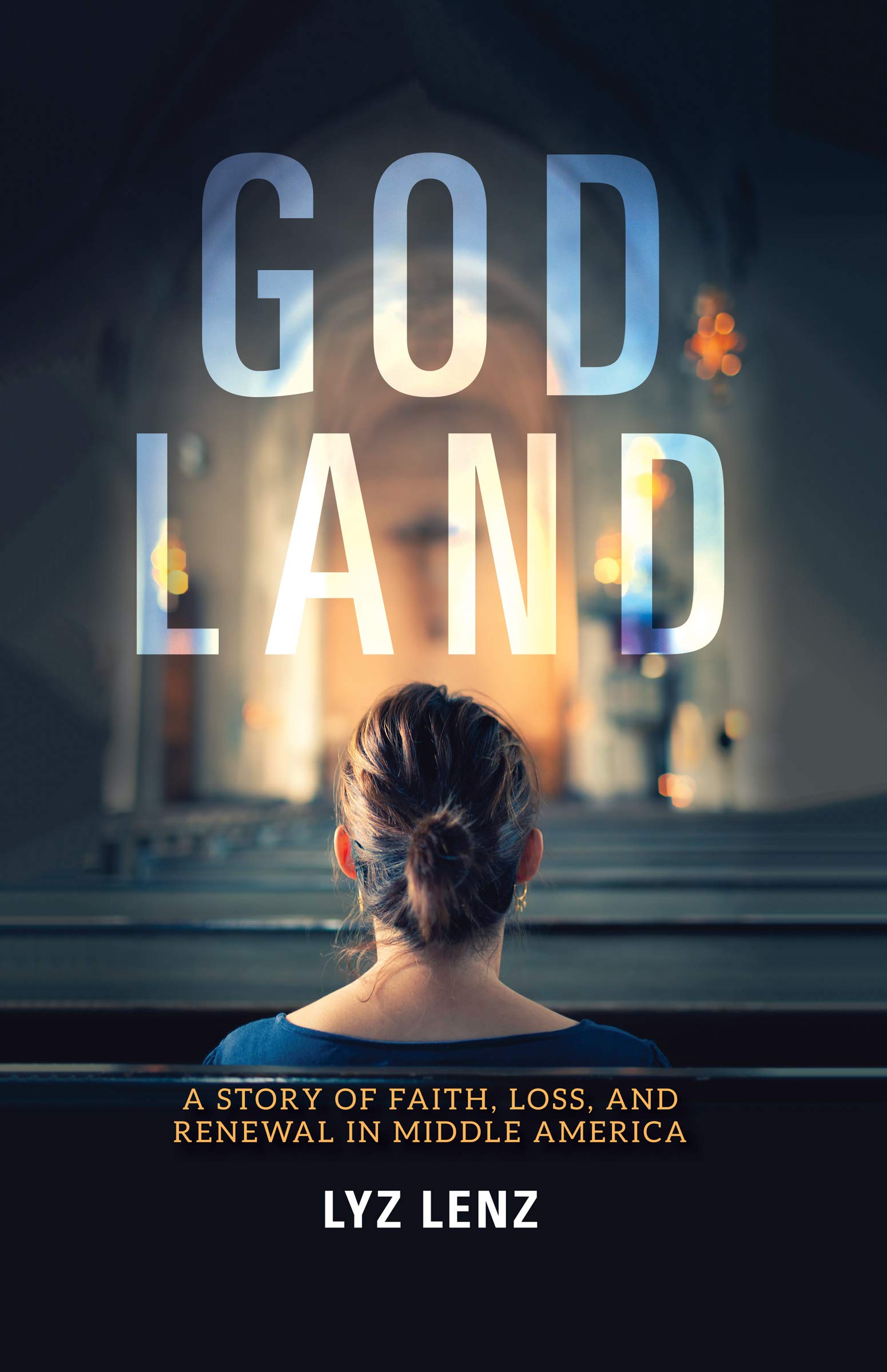
 Author Lyz Lenz’s marriage ended after the 2016 presidential election. Lenz voted for Hillary Clinton, and her husband voted for Donald Trump, and although this wasn’t the reason for the divorce, it was a catalyst after years of signs that Lenz and her husband were different people.
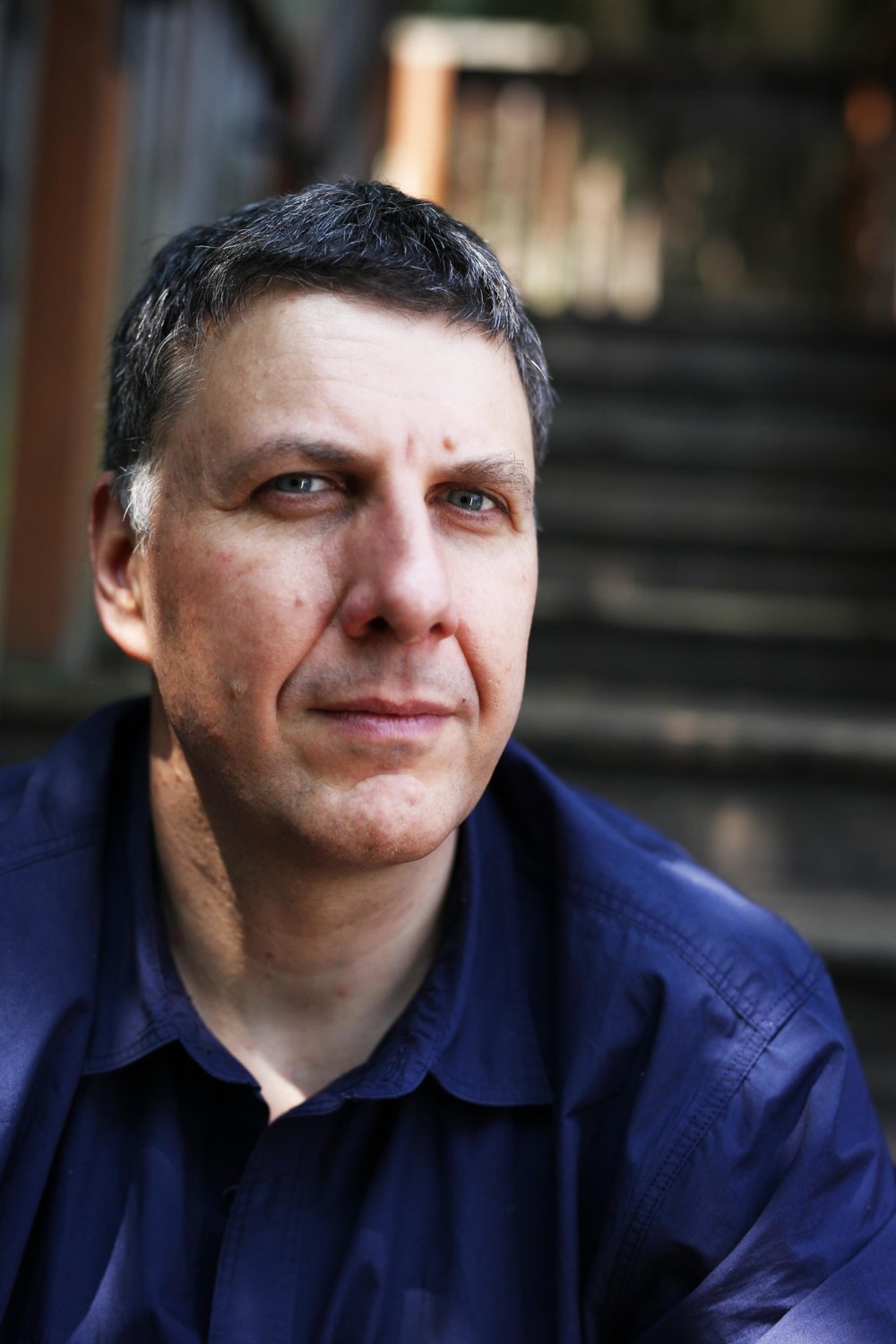
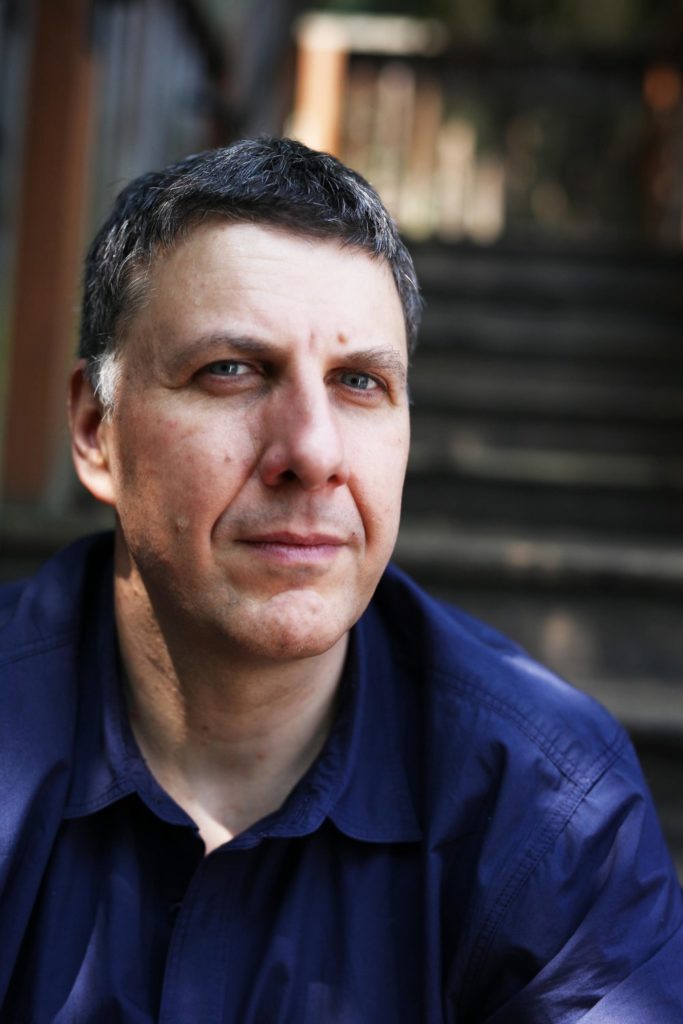 Matthew Zapruder is a poet, a teacher, an editor, a translator, and an accomplished guitar player. He is the co-translator of Romanian poet Eugen Jebeleanu’s last collection, Secret Weapon: Selected Late Poems, and editor-at-large of Wave Books (He edited Tyehimba Jess’s 2017 Pulitzer Prize winner, Olio). Zapruder is the author of five collections of poetry—the second of which, The Pajamaist, was selected by Tony Hoagland as the winner of the William Carlos Williams Award—and one book of prose on the art and craft of poetry. He is a professor in the MFA program at St. Mary’s College of California.


 Banshee opens with a moment of bodily violence and tragedy. Not the personal tragedy of Samantha Baxter, sitting in an oncologist’s waiting room, moments from the cancer diagnosis which will unravel her, but the tragedy of a stranger:
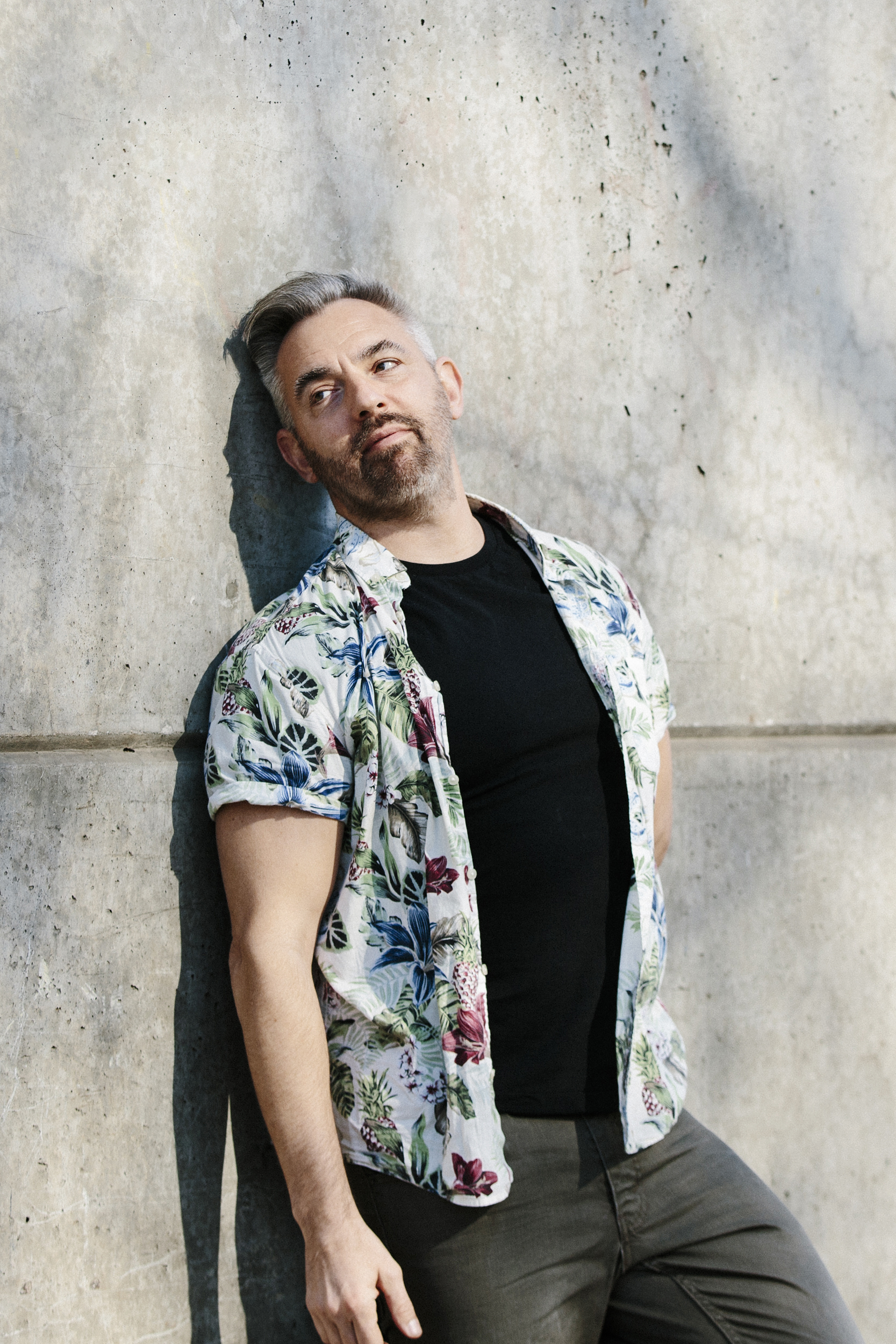
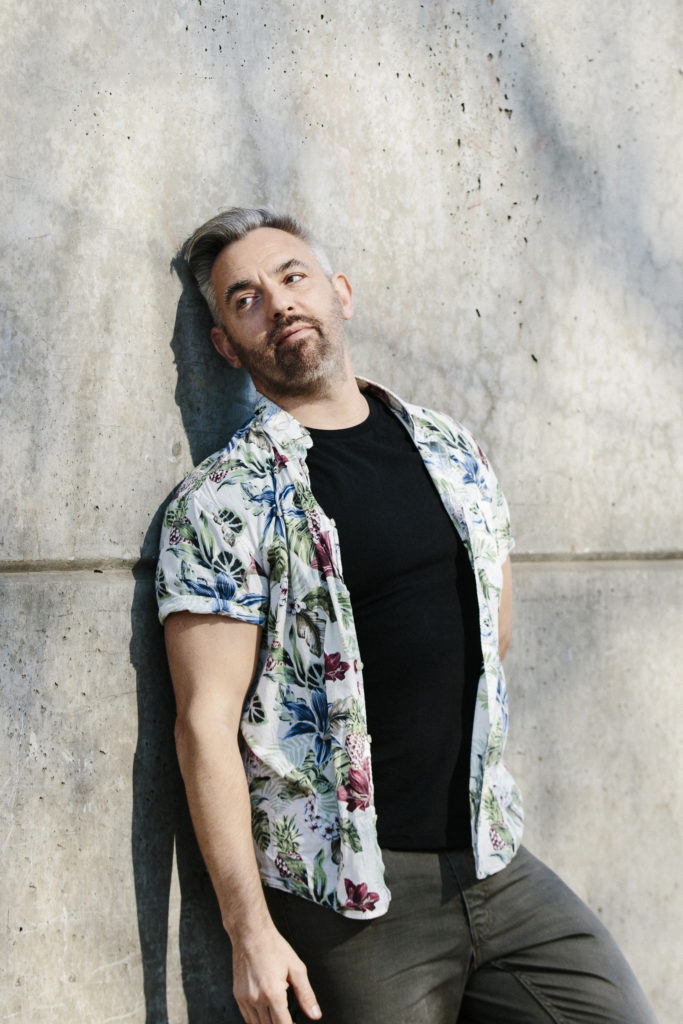 Tim Murphy is the author of the novel, Christodora, longlisted for the Andrew Carnegie Medal. It was also named a Best Book of the Year by The Guardian and an Amazon Editors’ Top 100 Books of the Year. As a journalist, he has reported on HIV/AIDS for twenty years.
 Karen Stefano’s What A Body Remembers is a timely and moving illustration of how our bodies instinctively tie our senses and memories together. It is a compelling book that reads as much like true crime as it does memoir, while delving into heady topics like trauma, PTSD, and victim blaming. Stefano manages to approach these subjects with a sensitivity that invites the reader to a deeper understanding of the after-effects of trauma while evoking empathy over pity.