
David L. Saffan
CHARACTERS:
DOUG 20 years old, a college student
JEFF 20 years old, a college student
CHUCK 21 years old, a college student
STEVE 19 years old, a college student
HANK 21 years old, a college student
LINDA 20 years old, a college student, Doug’s girlfriend
GUNG-HO (JOHN) 20 years old, a college student
PLACE: The small off-campus apartment that Doug and Jeff share at a college in the Midwest
TIME: Monday night, December 1, 1969
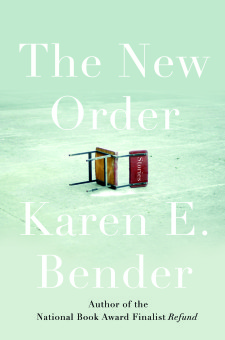 Karen E. Bender is the award-winning author of Refund, A Town of Empty Rooms, and Like Normal People. Her latest work, The New Order, is a collection of highly political short stories that discuss tragedy, isolation, and terror. The New Order dives headfirst into the current cultural milieu by addressing sexual assault, gun violence, the perils of social media, and the life of Jewish Americans.
 category five hurricane when it hits Mercy, Oklahoma, and demolishes the home of the McCloud family. Orphaned, the children attempt to go on with their lives but are swept into a world of dangerous, fanatical eco-terrorism that is both frightening and understandable. Through their story, Geni examines the turbulent state of our natural world and plays with the line between saving the planet and destroying ourselves.
 in an odd, drug-enhanced damn-building exercise where he meets the charismatic and wealthy Mathias Blue—in a frigid river, at Princeton. This clever scene is a fun springboard into the witty, satirical, and nihilistic novel that is to follow. The story is set in the near future where all-too-realistic issues of war and climate change combine with a phenomenon called “Chronostrictesis,” where time itself seems to be coming to an end as though through a funnel: human existence as we know it is no longer, as the characters have to stockpile food and supplies for the severe weather and the impending superstorm.